
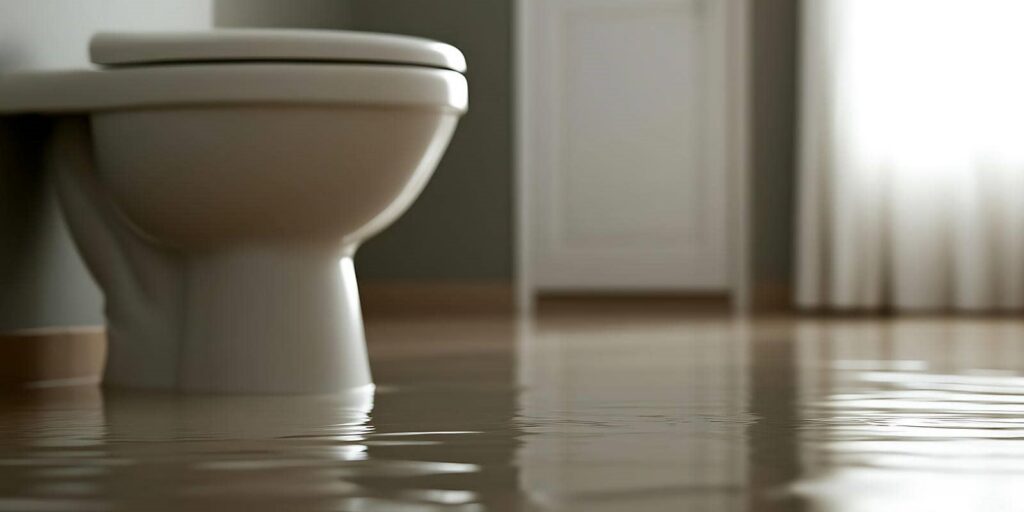
In an emergency sewage cleanup, the situation can feel like a ticking time bomb waiting to explode. You need to act swiftly and methodically. Start by identifying the source of the leak, as neglecting this step can lead to further complications. Ensuring your safety is essential, so protective gear is a must. What follows next could mean the difference between a successful cleanup and a lingering disaster. Are you prepared to tackle the challenge head-on?
Key Takeaways
- Identify the source of the sewage leak by inspecting pipes and using sewer cameras for accurate detection.
- Wear protective gear, including gloves, goggles, and masks, to safeguard against contaminants.
- Immediately turn off water and power to prevent further hazards and assess risks.
- Contain the sewage spread using absorbent materials and seal off affected areas to restrict access.
- Use pumps or wet vacuums for cleanup and document damage for insurance claims.
Identify the Source of the Sewage Leak
To effectively address a sewage leak, you need to pinpoint its source as soon as possible. Common sewage leak causes include broken pipes, tree root intrusion, and blockages.
Start by inspecting visible plumbing for signs of damage. If you suspect a deeper issue, employ detection methods like using a sewer camera. This technology allows you to visually assess pipe conditions and locate leaks without invasive digging.
Additionally, monitor for unusual odors or changes in water levels, as these can indicate a problem. By swiftly identifying the source, you’ll prevent further damage and promote a healthier environment for everyone involved.
Taking these steps ensures you’re part of a community that values safety and cleanliness.
Ensure Safety by Wearing Protective Gear
When handling sewage cleanup, wearing the right protective gear is essential for your safety.
This equipment shields you from harmful pathogens and chemicals, which can pose serious health risks.
Understanding these dangers and equipping yourself properly can greatly reduce your chances of exposure.
Proper Protective Equipment
Start with durable protective clothing that covers your skin, minimizing direct exposure. Rubber gloves are important for hand protection, while safety goggles shield your eyes from splashes and debris. Respiratory masks are necessary to filter harmful airborne particles, ensuring you breathe safely.
Remember that contamination prevention is imperative; avoid mixing contaminated gear with clean items. Regular equipment maintenance will enhance safety and longevity, so inspect your gear before use.
Finally, adhere to proper disposal methods for contaminated materials, following health regulations to protect yourself and the community. By prioritizing safety, you foster a sense of belonging in shared responsibility for health.
Health Risks Awareness
Understanding the health risks associated with sewage exposure is vital for anyone involved in cleanup efforts. The contamination effects can lead to serious bacterial exposure, resulting in various health symptoms like nausea, diarrhea, and skin irritations.
Respiratory risks also arise, particularly when inhaling airborne pathogens. It’s essential to follow proper sanitation practices to minimize these dangers. Without adequate protective gear, you increase the likelihood of long-term illnesses, which can affect your quality of life.
By recognizing these health risks, you’re better equipped to protect yourself and others. Always prioritize safety and ensure that everyone involved understands the importance of wearing appropriate gear and maintaining hygiene throughout the cleanup process.
Your health and well-being depend on it.
Turn Off Water and Power First
Before you tackle any sewage cleanup, it’s essential to turn off the water and power.
Start by evaluating hazards in your environment and locating the main shut-off valves to prevent further damage or injury.
This step safeguards your well-being and sets the stage for effective cleanup.
Safety First: Assess Hazards
When dealing with sewage cleanup, prioritizing safety is essential, and the first step is to turn off both the water and power in the affected area. This minimizes risks and helps you assess the hazards effectively.
Conduct a thorough hazard identification and risk assessment to ensure you’re prepared for what lies ahead.
Consider these key hazards:
Biological contaminants: Exposure to pathogens can pose serious health risks.
Electrical hazards: Wet areas can lead to electrocution if power isn’t cut.
Structural risks: Damaged surfaces may collapse or create further hazards.
Chemical exposure: Cleaning agents or sewage can release toxic substances.
Locate Main Shut-Off Valves
Locating the main shut-off valves is essential for effective sewage cleanup. First, you need to identify the shut-off location in your home. Typically, this will be near the water meter or where the water line enters your property.
Familiarize yourself with the different valve types, such as gate, ball, or globe valves, as they each function differently. Once you’ve located the main valve, turn off the water supply immediately to prevent further damage.
Don’t forget to switch off the power to any affected electrical appliances to ensure safety during cleanup. By taking these steps, you’ll create a safer environment for yourself and anyone assisting you in the sewage cleanup process.
Contain and Control the Sewage Spread
To effectively contain and control the spread of sewage, you must act quickly to prevent further contamination.
Using proper containment methods is essential, and implementing sewage barriers can help restrict the flow.
Here are key steps to follow:
- Identify the source of the sewage and stop it if possible.
- Use absorbent materials like sandbags or absorbent pads to create barriers.
- Seal off affected areas to prevent access and further spread.
- Regularly monitor the containment area to ensure effectiveness.
Initiate the Sewage Cleanup Steps
As you initiate the sewage cleanup steps, it’s crucial to prioritize safety and efficiency. First, ascertain everyone’s safety by wearing appropriate protective gear, like gloves and masks, to prevent exposure to harmful contaminants.
Next, assess the sewage system to identify the source of the backup or leak. This will guide your emergency response efforts effectively.
Use pumps or wet vacuums to remove standing water, and carefully dispose of any solid waste materials. Document the damage for insurance purposes, and consider notifying local authorities if the situation escalates.
Sewage Cleanup: Disinfect and Sanitize Affected Areas
Once you’ve removed the standing water and solid waste, it’s time to disinfect and sanitize the affected areas. This vital step ensures that harmful pathogens are eliminated, protecting your health and the environment.
Follow these steps for effective disinfecting:
- Use EPA-approved disinfectants specifically designed for sewage cleanup.
- Focus on disinfecting surfaces that came into contact with contaminated water.
- Sanitize equipment like mops and buckets after use to prevent cross-contamination.
- Allow surfaces to air dry after applying disinfectants for maximum efficacy.
Get Professional Help for Long-Term Solutions
After disinfecting and sanitizing the affected areas, you might realize that some issues require more than just immediate cleanup. Engaging professionals ensures you address underlying problems effectively.
They can provide plumbing inspections to prevent future incidents and recommend maintenance tips tailored to your sewage systems. Implementing preventive measures, like backup systems and enhanced drainage solutions, can also mitigate risks.
Professionals are familiar with health regulations, confirming your home complies with safety standards. Additionally, they can assist in guiding insurance coverage for damages.
Frequently Asked Questions
How Can I Prevent Future Sewage Leaks in My Home?
To prevent future sewage leaks in your home, implement sewage prevention tips like regular inspections and timely repairs. Adopt effective home maintenance strategies, ensuring your plumbing’s in top shape to avoid costly issues later.
What Types of Protective Gear Are Essential for Cleanup?
You need protective clothing like gloves, masks, and boots, along with safety equipment such as goggles and face shields. These essentials safeguard you from harmful pathogens, ensuring your safety during the cleanup process.
How Long Does It Typically Take to Complete Sewage Cleanup?
Sewage cleanup can take several hours to days, depending on the extent of damage, contamination levels, and your environment. Factors affecting the timeline include the area size and necessary drying and sanitization processes.
Will My Homeowner’s Insurance Cover Sewage Cleanup Costs?
Your homeowner’s insurance might cover sewage cleanup costs, but it depends on your policy. Review your insurance coverage details and understand the claims process to ensure you’re prepared for any unexpected expenses.
What Should I Do if I Experience Health Issues After a Sewage Leak?
If you notice health symptoms after sewage exposure, don’t hesitate—seek medical attention immediately. Document your experiences, and consult a healthcare professional who understands the risks. Your health’s worth every moment of action and attention.
Summary
So, you’ve bravely tackled the sewage disaster like a hero in a disaster movie—minus the dramatic soundtrack. By following these steps, you’re not just containing a mess; you’re preventing a future sequel of sewage chaos. Remember, if the smell lingers, it’s not a new air freshener you need; it’s a professional. After all, who needs a hazardous home environment when you can have a clean, odor-free space? Go ahead, reclaim your throne from the sewage invaders!