
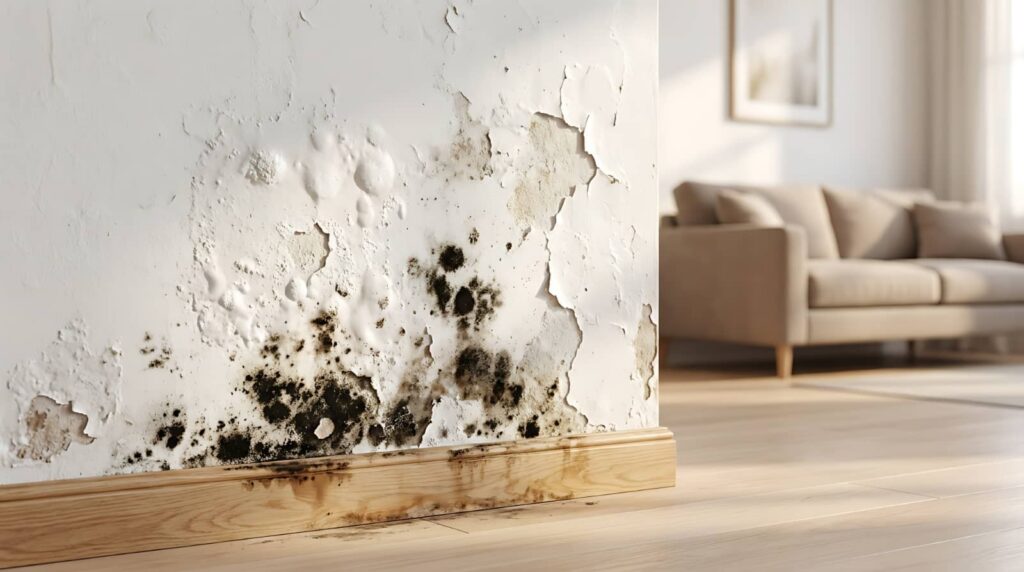
Flood Recovery begins the moment floodwater enters your home. You need to act fast while staying calm by checking for safety hazards first, then starting the drying process before hidden moisture causes additional damage. Walls, floors, and proper airflow all play an important role, and mold can appear sooner than you might expect. Following the right flood recovery steps can make a significant difference in restoring your home, especially when you know what to tackle next.
Key Takeaways
- Confirm the area is safe before re-entering, checking for structural damage, power hazards, and unstable floors or ceilings.
- Start drying immediately with open windows, fans, and dehumidifiers to reduce moisture and speed recovery.
- Remove wet rugs, curtains, and other moisture-trapping items to prevent further damage and improve airflow.
- Inspect walls, floors, and baseboards for trapped moisture, then remove damaged materials if they cannot dry fully.
- Monitor daily for mold growth and keep using drying equipment until the space is completely dry.
Check the Damage and Stay Safe
Before you step back into a flood-damaged space, make sure it’s safe to enter. Check for sagging ceilings, cracked walls, shifted floors, and any smell of gas or fuel. If anything looks unstable, wait for a professional.
Wear sturdy shoes, gloves, and a mask so you can protect yourself while you move through the area. Turn off power only if you can reach the main breaker without stepping in water. Keep your phone charged and let someone know where you are.
During your damage assessment, take photos and notes so you can track what needs attention. These safety precautions help you stay grounded and in control. You’re not dealing with this alone; careful checking now helps you make smart next steps together.
Start Flood Damage Drying Right Away
Once you’ve confirmed the area is safe, start drying it out as quickly as you can. Move fast, because early action can limit damage and help with insurance claims. Use flood preparedness habits now so you’re ready next time.
- Open windows if weather allows.
- Run fans and dehumidifiers right away.
- Remove wet rugs, curtains, and items that trap moisture.
Keep a simple record of what you do, including dates and photos. That documentation can support insurance claims and show you acted promptly.
Stay organized, and don’t wait for signs of trouble to fade on their own. Your quick response helps protect your home and makes the recovery feel more manageable. You’re not handling this alone; many people restore their space one step at a time.
Remove Moisture From Walls and Floors
Now that the area is drying, focus on the walls and floors so trapped moisture doesn’t linger. You can remove baseboards, inspect drywall, and check flooring edges for hidden wetness.
Use moisture measurement to find spots that still hold water, especially near corners, seams, and lower wall sections. If materials stay damp, you may need insulation removal so the wall cavity can dry safely.
Lift carpets and pads if they’re wet, and pull up damaged flooring that won’t recover. Wipe surfaces clean as you work, and keep debris out of your path.
You’re not doing this alone; steady, careful steps help protect your home and your peace of mind. When you clear out wet materials now, you give your space a real chance to recover well.
Dry With Air Movers and Dehumidifiers
Set up air movers to keep air flowing across wet surfaces and position dehumidifiers to pull excess moisture from the room. You’re not alone in this step; many homeowners use this same setup to speed drying.
For best air mover efficiency, aim each unit so it moves air along floors, walls, and furniture, not straight into a corner. Keep dehumidifier placement centered in the driest part of the room’s airflow path, with doors and windows closed.
- Use several smaller units instead of one weak fan.
- Empty or drain dehumidifiers often so they keep working.
- Check surfaces daily and adjust equipment as needed.
Stay patient and steady. With the right layout, you’ll help your space dry faster and feel more manageable.
Watch for Mold as You Dry
As your space dries, keep an eye out for mold, since it can start growing quickly in damp areas. Check walls, baseboards, carpets, and hidden corners every day, and act fast if you spot spots, musty smells, or slimy surfaces.
Remove wet materials that can’t dry fully, and keep using air movers and dehumidifiers until everything feels dry. Good mold prevention means opening up closed spaces, cleaning surfaces with approved products, and discarding anything that stays soaked.
If you see mold spreading, don’t brush it off; some growth can create health hazards for your family. You’re not handling this alone, and steady attention now helps your home recover safely and confidently.
Frequently Asked Questions
What Insurance Documents Should I Gather First?
Gather your insurance policy, photos of damage, repair estimates, receipts, and any flood-related communications first. You’ll speed the claim process, stay organized, and feel more confident while you protect what matters.
When Should I Call a Professional Restoration Company?
You should call a professional restoration company right away after floodwater enters, especially if damage’s extensive, hidden, or contaminated. They’ll assess damage fast, set your restoration timeline, and help you feel supported through recovery.
How Do I Protect Valuables Before Flooding Starts?
You can protect valuables by moving them to higher shelves, sealing documents in waterproof containers, and storing irreplaceables offsite. Keep evacuation plans ready and pack emergency kits, so you’ll feel prepared, calm, and supported.
Can Floodwater Damage Electrical Systems Hidden in Walls?
Yes floodwater can damage electrical systems hidden in walls, causing hidden damage and electrical safety risks. You should shut off power, avoid wet areas, and have a licensed electrician inspect everything before you re-enter or restore power.
What Permits Are Needed for Major Flood Repairs?
You’ll usually need building, electrical, plumbing, and sometimes zoning permits for major flood repairs, especially when walls glow with hidden damage. You should check local building codes early, because repair timelines can slow without approvals.
Summary
When you check the damage and stay safe, start drying right away, and remove trapped moisture from walls and floors, you give your home the best chance to recover. Use air movers and dehumidifiers to speed things up, and watch for mold every day. Why wait when quick action can save you time, money, and stress? Stay calm, stay alert, and you’ll handle the cleanup with confidence and care.