
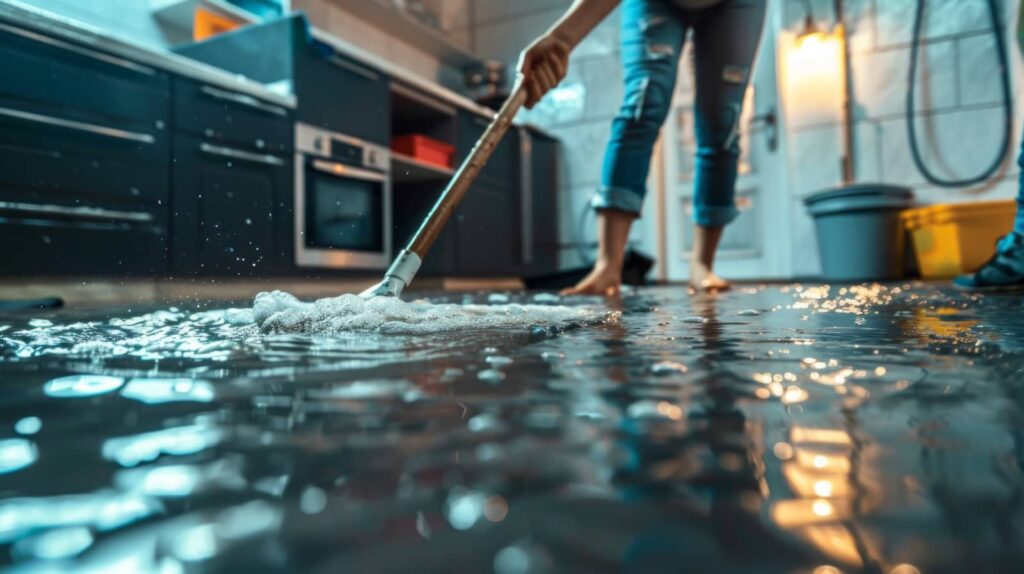
If you’ve ever noticed a damp carpet right after a storm, you’re already closer to flooded home drying service than you might think. You use this process to remove trapped moisture from floors, walls, and hidden cavities before damage spreads. Technicians measure moisture, deploy air movers and dehumidifiers, and control humidity to speed structural drying. The next step is where mold risk and repair costs start to diverge.
Key Takeaways
- Flooded home drying service removes excess moisture from affected materials after water damage.
- It helps prevent mold growth, structural deterioration, and long-term odor problems.
- Professionals inspect the home, measure moisture, and map how far water spread.
- They use pumps, vacuums, air movers, and dehumidifiers to dry the structure.
- Fast drying is important when water reaches drywall, insulation, subfloors, or hidden cavities.
What Is Flooded Home Drying?
Floodwater leaves more than visible damage, and flooded home drying is the controlled process of removing moisture from walls, floors, insulation, and hidden cavities to prevent further deterioration.
You’re dealing with flood damage that can spread fast, so precise drying techniques matter. The goal is to lower moisture content to safe levels before materials weaken, warp, or support microbial growth.
You can think of it as restoring balance inside your home’s structure, not just making surfaces feel dry. Proper drying also helps you regain confidence in your space, because each measured step reduces uncertainty.
When you understand what flooded home drying means, you’re better prepared to protect your home, your comfort, and the people who belong there with you.
How Does Flooded Home Drying Service Work?
A flooded home drying service starts with a detailed inspection to measure moisture levels, identify affected materials, and map where water has spread.
You’ll then see technicians begin water extraction, removing standing water from floors, carpets, and cavities with specialized pumps and vacuums.
Next comes a moisture assessment, using meters and thermal tools to verify what’s wet and what’s already drying.
From there, they place air movers and dehumidifiers to create controlled airflow and reduce indoor humidity.
You stay informed through documented readings, so you know the process is working.
Throughout, the crew checks structural surfaces, adjusts equipment as needed, and keeps your home’s recovery organized, efficient, and familiar, so you can feel confident that your space is being cared for properly.
Why Fast Structural Drying Prevents Mold
When moisture stays trapped in framing, drywall, subflooring, and insulation, mold can begin developing quickly, so fast structural drying is critical after a flood. You lower that risk by removing moisture before spores find the damp conditions they need to spread.
Effective drying techniques target hidden cavities, reduce humidity, and restore materials to safe levels sooner, which supports mold prevention and protects your home’s structure. When you act quickly, you also limit odor, staining, and long-term deterioration.
That means you’re not just drying a building; you’re helping your household return to a healthier, more stable space. With prompt structural drying, you can feel confident that your recovery is on track and that your home’s interior is being protected from avoidable microbial growth.
Equipment Used for Flooded Home Drying
Professional flood-drying equipment gives you control over moisture removal, helping you dry affected areas quickly and thoroughly. You’ll typically rely on four core tools:
Air movers: They circulate high-velocity air across wet surfaces and speed evaporation.
Dehumidifiers: Different dehumidifier types, including refrigerant and desiccant units, extract vapor from the air and stabilize indoor humidity.
Moisture meters: These let you verify hidden dampness in walls, flooring, and framing, so you know what still needs attention.
Thermal imaging tools: They reveal cool, moisture-laden areas that aren’t obvious to the eye.
When you use this equipment together, you stay in control of the drying process and protect your home’s structure.
You’re not guessing; you’re working with precise data and proven tools that help you restore a safe, dry space.
When to Call a Water Damage Professional
If water has soaked into drywall, insulation, subflooring, or electrical areas, you should bring in a water damage professional right away.
You’ll also want expert help if the leak came from sewage, a roof failure, or a burst pipe, or if moisture has sat for more than 24 hours.
A trained crew can test hidden materials, map the spread, and start the restoration process before mold and structural decay take hold.
You don’t have to handle this alone; a good team will explain each step, protect your home, and help you feel confident again.
Call sooner if you notice warping, odors, or staining, because those signs often mean the water damage is deeper than it looks.
Frequently Asked Questions
How Much Does Flooded Home Drying Service Cost?
You’ll usually pay $1,000-$4,000, depending on damage, square footage, and drying time. Water extraction adds cost, but prompt service helps with mold prevention. You’re not alone; technicians’ll assess, dry, and stabilize your home quickly.
Does Insurance Typically Cover Flooded Home Drying?
Usually, you’re covered only if your insurance policies include water damage from sudden events; flood damage often needs separate coverage. Check coverage limits, document losses quickly, and you’ll feel supported through the claims process.
How Long Does a Typical Drying Job Take?
You’ll usually see drying finish in 3–7 days, though the clock can feel endless. Your team uses drying techniques and moisture assessment to track progress, remove hidden dampness, and keep you confident throughout.
Can I Stay in My Home During Drying?
Yes, you can usually stay home during drying, if you follow safety precautions and avoid active drying equipment areas. Your technician’ll guide you, protect your space, and help you stay comfortable throughout the process.
Should I Document Damage Before Technicians Arrive?
Yes—photograph damage before technicians arrive, like mapping a storm’s footprints. Your damage assessment improves, and photo documentation helps prove losses, streamline claims, and guide drying priorities. You’ll feel informed, included, and prepared.
Review
When floodwater hits your home, every minute counts, and drying it fast is like stopping a leak before the whole system fails. You can rely on flooded home drying service to remove moisture, control humidity, and protect structural materials from further damage. With professional inspection, air movers, and dehumidifiers, you reduce mold risk and restore safe conditions quickly. If you’re dealing with water damage, don’t wait call a water damage professional right away.