
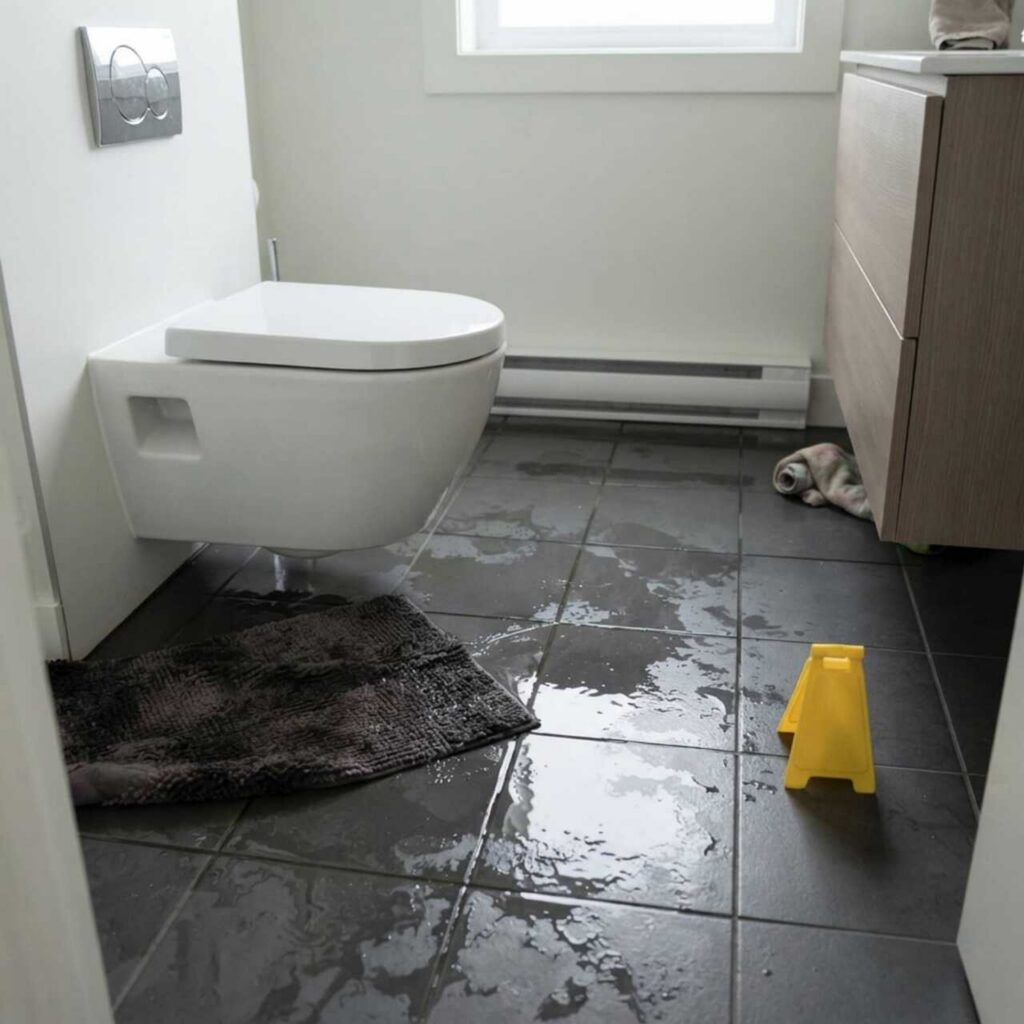
After flooding, you can’t treat sewage backup like ordinary water damage. Contaminated water can spread bacteria, viruses, and other hazards into floors, walls, and belongings within hours. If you wait, you raise the risk of illness, mold growth, and deeper structural damage. Knowing what to remove first and how fast to act can change the outcome, but the first 24 hours matter most.
Key Takeaways
- Emergency sewage cleanup prevents rapid spread of bacteria, viruses, and parasites after flooding.
- Fast response reduces mold growth, odors, and contamination of porous materials and HVAC systems.
- Immediate cleanup limits health risks for children, seniors, and other vulnerable people.
- Proper removal and disinfection stop sewage from spreading to clean areas and belongings.
- Thorough cleanup and repairs restore safe, usable living spaces and support insurance documentation.
What to Do First After Sewage Backup
After a sewage backup, you should act immediately to protect health and limit contamination.
Shut off water to the affected area if you can do it safely. Keep children and pets away, and avoid direct contact with standing water or contaminated surfaces.
Wear gloves, boots, and eye protection as basic safety precautions before you enter the space. Open windows if weather allows, but don’t use fans that can spread aerosols.
Remove portable items only if they’re dry and uncontaminated. Take photos for records, then call your insurer and request professional assistance from trained cleanup specialists.
If the backup came from a floor drain or toilet, don’t flush or run fixtures until a plumber checks the system.
Stay coordinated with your household so everyone knows the plan.
Why Emergency Sewage Cleanup Can’t Wait
You need to act fast because sewage exposure drives health risks up within hours, especially from bacteria, viruses, and airborne contaminants.
Contaminated water doesn’t stay localized; it spreads through porous materials, drains, and HVAC pathways, increasing the affected area quickly.
If you wait, mold can start growing in hours, turning a cleanup into a larger remediation job.
Health Risks Escalate Fast
Once sewage enters a flooded space, health hazards escalate within hours as bacteria, viruses, parasites, and aerosolized contaminants spread through standing water, damp materials, and air systems.
You’re facing bacteria exposure, respiratory issues, and direct contact with hazardous materials that can trigger infections fast. If you stay in the area, you also raise the chance of long term effects, especially for children, older adults, and anyone with asthma or weakened immunity.
Protect your group by following emergency protocols immediately: isolate the space, wear proper PPE, and contact licensed crews.
These preventative measures support public health and help you meet health regulations. Don’t wait for odor or visible damage; risk starts before that.
Fast action keeps your household safer and your cleanup team aligned.
Contamination Spreads Through Water
Sewage doesn’t stay put in floodwater; it moves quickly through floors, wall cavities, drains, and porous materials, carrying pathogens and toxic debris far beyond the original source.
You can’t treat the water as clean just because it looks clear. Waterborne pathogens spread through contact, splashing, and contaminated dust after surfaces dry.
If you wade, pump, or salvage without protection, you raise your exposure and spread waste to other rooms. For flood safety, isolate affected areas, shut off HVAC if needed, and keep kids and pets out.
Remove soaked items only after documenting damage and wearing gloves, boots, and respiratory protection.
Prompt cleanup helps you protect your space, reduce cross-contamination, and restore a safer environment for everyone who shares it.
Mold Grows In Hours
Within hours, standing water and soaked building materials can trigger mold growth, especially in warm, humid conditions after a sewage flood. You need rapid response to limit spores before they colonize drywall, insulation, and framing.
If you wait, moisture keeps feeding growth, and your cleanup gets harder, costlier, and riskier for your home’s air quality. Move fast with pump-out, dehumidification, and removal of unsalvageable materials.
Then clean, disinfect, and dry every exposed surface. This mold prevention step helps protect your space and keeps your household safe.
If you’re acting now, you’re not alone; you’re following the same practical process trusted by crews who restore homes after flooding. Speed gives you control, reduces hidden damage, and supports a safer recovery.
What Sewage Water Contaminates Right Away
The moment sewage water enters a flooded space, it contaminates porous materials, standing water, and any surface it contacts. You’re dealing with sewage composition that can include human waste, food residue, detergents, and runoff from contamination sources such as drains, toilets, and storm backups.
It soaks into drywall, carpet, insulation, wood, and fabric fast, leaving residue behind even after the visible water recedes. It also coats hard surfaces, fixtures, tools, and stored items with a film that’s hard to remove.
If you’re in this situation, treat the entire affected zone as compromised. Shared spaces, equipment, and belongings in the flood path need immediate attention, because the contamination spreads through direct contact and splash.
Quick action helps you protect what you can and restore order together.
How Cleanup Reduces Health Risks
Once contaminated water has spread through a space, fast cleanup lowers the chance of exposure to pathogens, gases, and irritants left behind on surfaces and in debris.
You cut health hazards by removing waste before it dries, aerosolizes, or seeps deeper into materials. Crews can then disinfect, ventilate, and dry the area, which helps interrupt microbial growth and reduce lingering odors and corrosive residue.
If you act quickly, you also protect shared spaces where your household, neighbors, or coworkers gather.
Effective prevention strategies include isolating affected areas, using proper protective gear, and disposing of contaminated materials safely.
When you handle cleanup promptly, you support a safer environment and help everyone in your community recover with fewer risks and less disruption overall.
Signs Your Home Needs Sewage Cleanup Now
If you notice sewage backing up through drains, toilets, or floor drains, your home needs cleanup immediately.
You may also see dark water stains, soggy drywall, or a persistent sewer odor after flooding. During a home inspection, check for gurgling pipes, slow drains, and visible residue around baseboards or fixtures.
These warning signs often mean contaminated water has entered hidden spaces behind walls, under flooring, or in crawl spaces.
Don’t wait for the smell to fade; it usually means the system still has active contamination. If you and your household share the space, move quickly to reduce exposure and protect your living area.
A prompt response helps you restore a safe, sanitary home before damage spreads further.
What Cleanup Crews Remove First
Cleanup crews start by removing anything that’s saturated with sewage, including soaked carpet, carpet pads, insulation, drywall, and damaged baseboards.
You’ll usually see them move fast on debris removal so the area becomes safe to work in. They also pull out contaminated furniture, personal items, and porous materials that can’t be cleaned effectively.
Next, they separate hazardous materials from salvageable contents, bagging waste for proper disposal and documenting what leaves the site.
This first pass limits cross-contamination and gives your crew clear access to hidden damage. You can expect them to use containment barriers, PPE, and sealed transport containers.
When they clear the worst materials first, you get a cleaner, more controlled recovery zone and a better path forward for the rest of the cleanup.
How Cleanup Prevents Mold Growth
By removing sewage-damaged materials quickly and drying the structure fast, you cut off the moisture mold needs to spread.
You protect wall cavities, subfloors, and insulation before spores take hold. Your team should pair containment with mold prevention strategies, so contaminated dust doesn’t travel into clean areas.
Use effective drying techniques, including high-velocity air movement, dehumidification, and targeted moisture checks, to drive humidity below mold-supporting levels.
When you act fast, you limit hidden growth behind trim, under flooring, and inside porous materials. That means you keep your space safer, reduce odor, and avoid bigger repairs later.
You’re not just cleaning up damage you’re helping your home recover with a healthier indoor environment for everyone who belongs there.
What to Expect During Cleanup Service
During cleanup, you’ll first get a damage assessment to identify affected areas and determine the scope of work.
Next, crews remove contaminated materials and sewage residue using controlled extraction and disposal methods.
They then apply a sanitization process to disinfect surfaces and reduce remaining health risks.
Damage Assessment
A thorough damage assessment sets the plan for sewage cleanup after flooding. You’ll see technicians inspect floors, walls, fixtures, and hidden cavities to identify damage types and rank risks.
They use assessment methods like moisture meters, visual mapping, and odor tracing to determine what needs repair and what can stay. You stay informed with clear notes, photos, and room-by-room findings, so you know where work starts and why.
This process helps your household feel organized, supported, and ready for the next step.
- You won’t have to guess what’s affected.
- You can trust a team that speaks plainly.
- You’ll regain control faster.
The assessment also establishes documentation for insurance and keeps your property team aligned on priorities.
Contamination Removal
Cleanup crews remove contaminated materials and surfaces to stop sewage from spreading through the property. You’ll see them isolate affected rooms, map contamination types, and remove porous items that can’t be safely recovered.
They’ll use cleanup methods matched to the source, whether floodwater mixed with sewage, backed-up drains, or soaked debris. Expect workers to bag waste, strip damaged flooring, and cut out drywall where contamination has wicked upward.
They’ll also move clean belongings out of the work zone to protect what you’ve saved. You stay informed through each step, so you know what’s being taken, what’s staying, and why.
This process helps your home move from unsafe exposure to a controlled restoration plan, and you’re not left guessing about the next move.
Sanitization Process
Once crews finish removing contaminated materials, they sanitize remaining surfaces to reduce health risks and stop lingering sewage from spreading.
You can expect technicians to clean, rinse, and apply approved disinfectants to floors, walls, fixtures, and hidden contact points. They’ll use targeted sanitization methods based on material type, moisture level, and contamination severity.
If needed, they’ll follow sewage treatment protocols for wastewater, residue, and disposal to keep your space safe and compliant.
- You regain control faster.
- Your family or team feels protected.
- You’re not handling this alone.
After treatment, crews may verify dryness, odor reduction, and surface safety before they finish.
Ask questions, stay present if you can, and trust that each step aims to restore a clean, usable environment for you and your people.
How to Repair and Sanitize After Cleanup
After you finish removing sewage-contaminated debris and standing water, inspect every affected surface for damage before you rebuild. You’ll protect your home by documenting warped drywall, softened insulation, and corroded fasteners, then removing materials that can’t dry completely.
Use repair techniques that restore structure: replace compromised framing, seal cracks, and install new subflooring when fibers swell or delaminate. Before closing walls, apply sanitization methods with an EPA-registered disinfectant, following dwell time exactly.
Clean studs, joists, and concrete, then rinse if the product label requires it. Keep fans and dehumidifiers running until moisture readings drop to safe levels.
Wear gloves, boots, and eye protection, and isolate the work zone so your household stays safe and supported. If odors persist, repeat cleaning and consult a licensed remediation team.
Frequently Asked Questions
Does Floodwater Always Contain Sewage Contamination?
No, you can’t assume floodwater always contains sewage contamination. You should treat it as potentially contaminated anyway, because floodwater contamination can create serious health risks. Stay cautious, protect your space, and follow cleanup guidance.
Can I Stay in My Home During Sewage Cleanup?
No, you shouldn’t stay; sewage cleanup can release monstrous health risks. You need strict safety precautions, including evacuation, ventilation, and protective gear. Follow the crew’s instructions, so you and your household stay protected.
How Long Does Sewage Cleanup Usually Take?
You’re usually looking at 1–3 days for small jobs; larger losses can take a week or more. Your cleanup timeline depends on contamination, drying, and repairs within the restoration process, but you’re not alone.
Will Insurance Cover Emergency Sewage Cleanup Costs?
Yes, your insurance policies may cover emergency sewage cleanup, but coverage limits vary. You’re not just buying protection—you’re joining a prepared community. Check exclusions, document damage, and call your insurer immediately to verify claims.
Are Carpets Ever Salvageable After Sewage Flooding?
Sometimes, yes but only if you act fast. You’ll need professional carpet restoration, aggressive disinfection, and moisture extraction. If sewage sat long, health risks usually outweigh repair, so replace carpet and padding.
Final Thoughts
In flooding, you need to act fast because sewage can spread bacteria, viruses, and mold within 24 to 48 hours. Studies show contaminated water exposure can raise illness risk by more than 50% in affected homes. If you see backups, strong odors, or soaked materials, call a cleanup crew right away. You’ll protect your health, limit structural damage, and get your home sanitized and repaired sooner.