
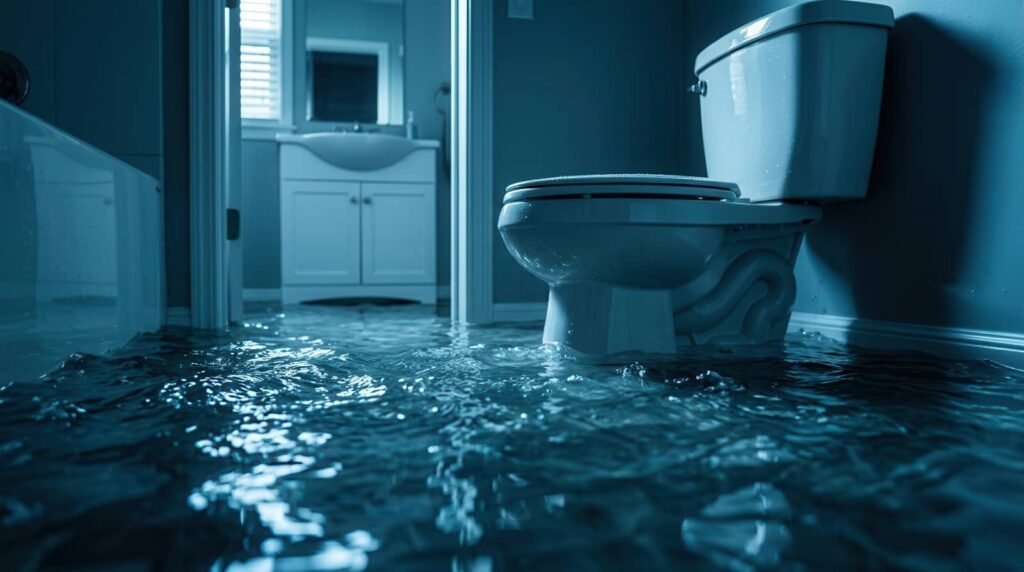
Some U.S. homeowners experience a sewer or septic backup, and when it hits your basement, every minute matters. Basement Sewage Cleanup starts by stopping the inflow and shutting off power or gas if required and safe to do so. Then use appropriate protective equipment before handling anything contaminated. From there, you’ll need to remove standing sewage, inspect for hidden damage, and disinfect correctly, because one missed step can turn a cleanup into a recurring hazard.
Key Takeaways
- Stop using basement plumbing, shut off water and power if safe, and keep children and pets away.
- Wear waterproof boots, gloves, long sleeves, eye protection, and a respirator before entering the area.
- Pump out sewage with a sewage-rated wet vacuum or submersible pump, then inspect for remaining blockages.
- Scrub hard surfaces with detergent, rinse, and disinfect them using the product’s required contact time.
- Dry the basement quickly with fans and dehumidifiers, discard porous contaminated items, and call professionals if damage is extensive.
What to Do First After a Sewage Backup
As soon as you notice a sewage backup, stop using all plumbing fixtures in the affected area and shut off the water supply if you can do so safely.
Then isolate the basement entry point, keep children and pets away, and avoid walking through any contaminated water.
You should contact your utility provider or a licensed plumber to report the issue and confirm whether the line is blocked or the system has failed.
If sewage is spreading, begin an emergency response by documenting the damage with photos from a safe distance and notifying your insurer.
Ventilate the space only if doing so doesn’t move air through occupied rooms.
Stay out until a qualified professional says it’s safe, so your household can regroup and act together with clear next steps.
Gear Up for Basement Sewage Cleanup
Before you enter the basement, put on the right protective gear: waterproof boots, heavy-duty gloves, long sleeves, long pants, eye protection, and a respirator or mask rated for contaminated air if splashing or aerosol exposure is possible.
Check that each item fits snugly and stays intact; replace torn or soaked pieces before you start. Use safety equipment designed for sewage work, including disposable coveralls if you expect heavy contamination.
Keep clean items separate from anything exposed. If you’re working with a partner, confirm each other’s gear before you go in so your team stays protected and coordinated.
Avoid skin contact, keep sleeves over gloves, and seal cuffs with tape when needed.
Afterward, remove protective gear carefully to prevent spreading contaminants.
Shut Off Utilities Before You Start
Before you enter the cleanup area, you must shut off the main power at the breaker panel to reduce shock risk.
Next, turn off the water supply at the main valve to stop additional flow into the basement.
Verify both controls are fully closed before you start any sewage removal or surface cleaning.
Main Power Shutoff
If sewage has reached your basement, shut off the main power at the service panel or exterior disconnect before you enter the area.
Follow your safety protocols: stand on a dry surface, use one hand when possible, and keep others away from the panel. You’re reducing electrical hazards from submerged outlets, damaged wiring, and conductive contamination.
If the panel sits in the affected zone, don’t wade in; call a licensed electrician or utility provider. After you de-energize the circuits, verify that lights, fans, and pumps stay off. Tag the breaker so no one restores power by mistake.
Stay with your cleanup team and treat the space as energized until you confirm it’s safe. Your crew’s caution protects everyone who helps restore the basement.
Water Supply Control
Turn off the basement’s water supply at the main shutoff valve or building meter before you start cleanup.
Verify that every faucet, appliance, and hose bib in the affected zone is closed so you don’t restore water pressure into contaminated lines. If the valve won’t seat fully, stop and document the issue for valve maintenance after the area is safe.
Open a faucet above the basement to relieve residual pressure, then confirm no water flows. Label the shutoff point so your team can find it quickly during cleanup.
If your building has a separate irrigation or boiler feed, isolate it too.
This control step protects your crew, limits sewage spread, and keeps your workspace ready for safe, coordinated restoration.
Remove Basement Sewage Water Fast
First, stop the water source to prevent more sewage from entering the basement.
Then pump out the contaminated water with a submersible pump or wet vacuum rated for sewage, and remove all standing liquid as quickly as possible.
After extraction, dry the area with high-velocity fans and dehumidifiers, then disinfect all affected surfaces.
Stop Water Source
Before you remove any sewage from the basement, shut off the source immediately to stop additional water from entering. You’ll protect your crew, your gear, and the space by isolating the inflow first.
If the backup comes from a fixture, close the nearest supply valve; if it’s groundwater, use water diversion techniques to redirect runoff away from the foundation. For repeated flooding, inspect sump pump installation points and confirm the discharge line isn’t blocked.
Then verify nearby appliances and drains are dormant before you proceed.
- Seal doors and low vents to slow spread.
- Mark wet zones so you can work methodically.
- Keep family members clear of the contaminated area.
Pump Out Sewage
With the source isolated, pump out the sewage as quickly as possible to limit damage and reduce exposure.
You should wear gloves, boots, eye protection, and a respirator before you enter the area.
Set a submersible sewage pump on a stable surface, connect discharge hose, and route flow outdoors or to an approved drain.
Keep the intake clear of debris so the pump doesn’t clog.
Monitor the water level continuously and shut off power before repositioning equipment.
If solids remain, use a wet vacuum rated for sewage.
Work methodically so your team stays coordinated and safe.
Once the basin is empty, inspect the drain line for blockage and note any conditions that suggest backup prevention measures are needed for your home.
Dry And Disinfect
Once the sewage is pumped out, dry the basement immediately to slow bacterial growth, reduce odors, and limit structural damage. You should wear gloves, boots, eye protection, and a respirator as key safety precautions before you start.
Open windows if weather allows, then run fans and a dehumidifier to accelerate evaporation. Use wet vacuums, squeegees, and absorbent towels on floors, trim, and low surfaces. Remove soaked insulation, carpet, and porous items that can’t be sanitized.
Clean hard surfaces with detergent, then apply an EPA-registered disinfectant and keep it wet for the contact time listed on the label.
- Place fans to create cross-ventilation.
- Check hidden cavities for trapped moisture.
- Repeat drying techniques until materials read dry.
Check for Hidden Sewage Damage
Inspect hidden areas for sewage intrusion, including wall cavities, baseboards, insulation, subflooring, and the underside of flooring materials. You’ll use a flashlight, moisture meter, and your nose to verify hidden leaks and support sewage detection.
Probe for staining, swelling, delamination, warped trim, and damp insulation behind finished surfaces. Check seams, fasteners, and penetrations where waste water can migrate quietly. If you spot discoloration or hear soft cracking underfoot, mark the location and test adjacent materials.
Trace any odor source upward and outward to map the affected zone. Compare readings across nearby surfaces so you can separate residual humidity from active contamination. When you document each finding carefully, you protect your crew, stay organized, and keep the cleanup on track.
Clear Out Contaminated Basement Materials
Start by removing every porous or damaged basement material that sewage has contaminated, including carpet, pad, drywall, insulation, baseboards, and any warped subfloor sections.
You’ll protect yourself and the crew when you bag contaminated materials immediately and keep the work area contained. Use heavy-duty plastic sheeting, seal each load, and follow local disposal methods for sewage waste and debris.
- Pull pieces out in manageable sections to reduce tearing.
- Double-bag small items and label them before transport.
- Keep a clear path so your cleanup team can move safely.
Check framing, joists, and slab edges for trapped residue, but don’t try to save anything soft or saturated.
When you clear out the damaged material now, you help your basement recovery team start strong and stay on track.
Clean and Disinfect Every Affected Surface
After the contaminated materials are removed, scrub every exposed surface with a detergent solution to lift soil and residue, then rinse and disinfect according to the product label’s contact time.
You’ll work from cleaner zones toward the most contaminated areas, changing cloths, brushes, and solution as soon as they’re soiled.
Apply sanitation protocols exactly, using a disinfectant approved for sewage exposure and the specific surface materials in your basement.
Follow dwell times, keep surfaces visibly wet for the full interval, and reapply if they dry early.
Pay special attention to seams, corners, floor joints, and hardware where residue can remain.
When you finish, inspect each area under strong light and repeat any missed spots.
This method helps your crew restore a safe, sanitary space together.
Dry the Basement to Prevent Mold
Once the surfaces are clean and disinfected, remove any remaining moisture before mold can take hold. You should open windows, run fans, and position a dehumidifier to support mold prevention.
Keep air moving across floors, walls, and corners until every surface feels fully dry. Check hidden spots, including under shelving and behind stored items, because trapped dampness slows humidity control and invites regrowth.
- Empty wet boxes and fabric items right away.
- Lift rugs and mats so airflow reaches the floor.
- Monitor indoor humidity and keep it below 60%.
Stay consistent with drying for 24 to 48 hours, and inspect the basement each day.
You’re protecting your space and helping everyone in it feel safer, cleaner, and more at home.
When You Need Professional Sewage Cleanup
You should call a professional if sewage exposure creates health risks, such as airborne contaminants, skin contact, or unsafe entry conditions.
You also need professional cleanup when contamination has spread beyond a small area, entered wall cavities, or affected multiple materials.
If you see warped framing, soaked insulation, or persistent odors, hidden structural damage may require specialized inspection and remediation.
Health Risks Present
Health risks rise quickly when basement sewage contains bacteria, viruses, parasites, or airborne contaminants, especially if the spill has soaked porous materials or has been present for more than a short time.
You can develop bacterial infections from skin contact, cuts, or splashes, and you may notice respiratory issues if aerosols enter your breathing zone. Treat the area as unsafe until you wear gloves, boots, eye protection, and a fitted respirator.
- Avoid touching contaminated surfaces.
- Keep children, pets, and guests out.
- Wash exposed skin and clothes immediately.
If you feel fever, nausea, coughing, or eye irritation, stop work and get medical advice.
In a crew that handles this work, you protect yourself by limiting exposure and using strict hygiene.
Extensive Contamination Spread
If sewage has spread beyond a small, contained area, professional cleanup is the safer choice because the contamination may have reached wall cavities, insulation, subflooring, HVAC components, or adjacent rooms.
You should stop traffic through the area, isolate the space, and request a contamination assessment before anyone starts removal. Technicians can map affected materials, verify the spread, and choose cleanup strategies matched to the exposure level.
When contamination crosses room boundaries, you’ll need controlled extraction, HEPA filtration, and regulated disposal to limit re-exposure.
You’re not handling this alone; your cleanup team uses containment barriers, disinfection protocols, and moisture checks to coordinate each step. That approach protects your household, keeps the work organized, and gives you a clear path back to a safe basement.
Hidden Structural Damage
When sewage seeps into framing, subfloors, baseplates, or wall assemblies, the visible surface damage rarely shows the full extent of the problem. You need moisture detection to trace hidden saturation behind finishes and within cavities.
If readings stay elevated, assume the assembly has lost structural integrity and needs professional evaluation.
- Check for soft joists, swollen plywood, or separated fasteners.
- Inspect plate ends, sill areas, and insulation for trapped contamination.
- Stop demolition when odor, staining, or seepage reappears after drying.
You’re part of a cleanup team that protects the whole basement, not just the floor you can see.
Call specialists when damage reaches load-bearing members, when mold grows inside assemblies, or when drying won’t stabilize materials.
Prevent Future Basement Sewage Backups
To prevent future basement sewage backups, you need to reduce the conditions that let wastewater reverse flow into the home.
Start with drainage maintenance: clean gutters, extend downspouts, and keep yard grading sloped away from the foundation. Inspect exterior cleanouts after storms and schedule sewer line camera checks if you’ve had repeated incidents.
Test your sump pump monthly, verify the check valve, and install battery backup so it works during outages.
Inside, avoid flushing wipes, grease, or other debris that clog shared lines. If your neighborhood has frequent surcharges, ask a licensed plumber about a backwater valve.
Keep a maintenance log, so your household can spot trends early and act together before a small blockage becomes another basement loss.
Frequently Asked Questions
How Long Does Basement Sewage Cleanup Usually Take?
You’re usually looking at 1–5 days for basement sewage cleanup, but your cleanup timeline depends on restoration factors like contamination level, drying speed, and structural damage. You’ll feel confident when technicians assess conditions quickly.
What Health Symptoms Can Sewage Exposure Cause?
Sewage exposure can cause nausea, vomiting, diarrhea, skin irritation, fever, and breathing issues. This symptoms overview covers immediate health risks; you may also face long term effects if you’re exposed repeatedly or don’t decontaminate quickly.
Can Insurance Cover Basement Sewage Cleanup Costs?
Yes, you can often get coverage, but you’ll need to review your insurance policies and coverage limits. You should file promptly, document damage, and confirm whether sewer backup endorsements or exclusions apply.
What Should I Do if Sewage Entered My HVAC System?
Shut it down immediately, isolate the HVAC, and call a certified remediation pro. You should remove contaminated filters, inspect ducts, and verify HVAC contamination. Don’t restart until you’ve eliminated sewage odors and sanitized components safely.
How Do I Know if Sewage Reached My Foundation Walls?
You’ll know sewage reached your foundation walls if you spot staining, odor, or damp efflorescence; 1 in 4 basements show hidden moisture. Use sewage detection methods and foundation inspection tips to confirm contamination.
Wrap-Up
By following these steps, you can recover your basement safely and efficiently after a sewage backup. First, stop the source, shut off utilities, and wear protective gear. Next, remove contaminated water, inspect hidden damage, and disinfect every affected surface. Then dry the area completely to limit mold growth. If contamination is extensive, call a professional. Finally, maintain drains and backflow protection so you don’t face this nightmare again.