
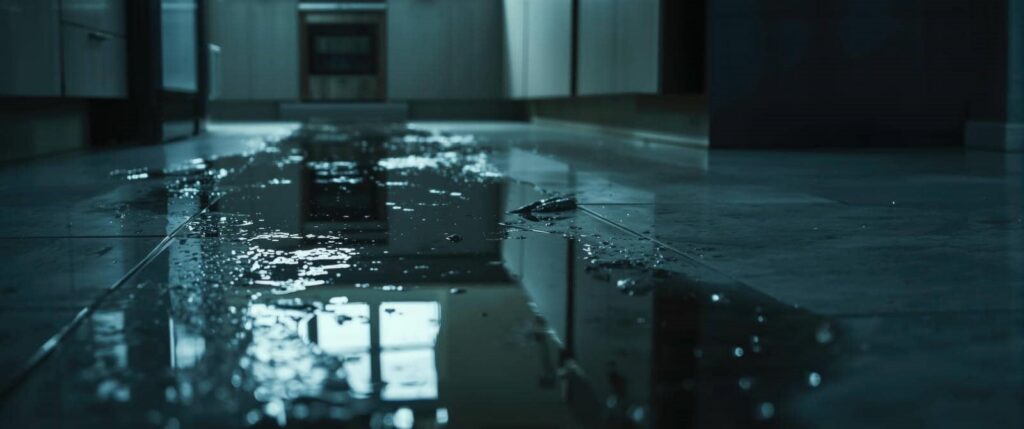
When water invades your space, it’s like a ticking clock in a flooded room. You need to stop the source, cut power, and match the cleanup method to the water type: clean, gray, or contaminated. Fast extraction and controlled drying can limit mold and structural loss, but the right process depends on what’s soaked and how long it’s sat there. The next step changes everything.
Key Takeaways
- The best water cleanup starts with stopping the source, shutting off electricity, and checking for structural hazards.
- Match cleanup methods to water type: clean water, gray water, or contaminated water.
- Remove standing water quickly with pumps or vacuums to reduce damage and mold growth.
- Use moisture meters and dehumidifiers to find hidden dampness and fully dry materials.
- Hire a licensed, insured company with fast response, proper equipment, and clear drying protocols.
Flood Water Cleanup: What to Do First
Before you begin flood water cleanup, you need to stop the source of water if it’s safe to do so, shut off electricity to affected areas, and document the damage for insurance purposes.
Next, you should inspect structural hazards, including sagging ceilings, warped floors, and unstable walls, before entering. Your initial steps should prioritize safety precautions: wear gloves, boots, and eye protection, and avoid contact with contaminated water.
You can then remove standing water with pumps or wet vacuums, but only after confirming the area is electrically safe. Open windows if conditions allow to improve ventilation and slow moisture buildup.
As you work, keep your team aligned, track affected materials, and isolate items that may need disposal. Clear procedures help you protect your home and support a faster recovery.
Which Cleanup Method Fits Your Damage?
Once you’ve secured the area and assessed the visible damage, match the cleanup method to the type and extent of water intrusion.
For clean water, you can use absorption, extraction, and surface drying cleanup techniques on hard materials.
For gray water, you’ll need controlled extraction, detergent washing, and targeted sanitation on affected surfaces.
For sewage or contaminated water, you should treat the area as hazardous and use specialized removal protocols, sealed disposal, and professional-grade disinfection.
Your damage assessment should also distinguish between porous and nonporous materials, because drywall, carpet, and insulation often require different handling than tile or metal.
When you choose the method this way, you work with your crew, protect your space, and keep the restoration process organized and precise.
Why Fast Water Removal Matters
Fast water removal limits the time moisture has to weaken framing, drywall, and subflooring, so you reduce the risk of structural damage.
You also cut off the conditions mold needs to colonize, which starts within 24 to 48 hours in many cases.
Preventing Structural Damage
Water that lingers inside a structure quickly migrates into drywall, insulation, framing, and subflooring, where it weakens materials and accelerates deterioration.
You need rapid extraction because each hour of delay increases water damage and compromises structural integrity.
Moisture loads wood, swells composites, and deforms finishes, creating stress points that spread through connected assemblies.
You should inspect load-bearing members, wall cavities, and floor systems as soon as conditions allow, then remove standing water and saturated materials without hesitation.
When you act decisively, you protect the building envelope and keep repair scope controlled.
That response also gives you confidence that your home or facility is being restored with care, precision, and shared purpose, so you can move forward knowing the structure remains sound.
Reducing Mold Growth
Even after you stabilize the structure, lingering moisture creates ideal conditions for mold growth within 24 to 48 hours.
You need rapid extraction because spores colonize porous materials quickly, and every delayed hour raises remediation costs. Fast water removal also supports indoor humidity management, keeping relative humidity below 60% so surfaces dry instead of feeding fungal activity.
Use mold prevention techniques that target both visible water and hidden dampness.
- Remove standing water immediately.
- Increase airflow with fans and dehumidifiers.
- Inspect cavities, baseboards, and insulation.
- Verify dry conditions with moisture meters.
When you act decisively, you protect your space, reduce health risks, and join a community of owners who treat cleanup as prevention, not reaction.
How Pros Remove Floodwater Safely
Before crews pump out floodwater, they verify electrical hazards, structural instability, and contamination levels to prevent additional damage and injury.
You’ll see them isolate the work zone, shut off utilities, and wear PPE matched to the water category.
For efficient floodwater extraction, they deploy submersible pumps, truck-mounted vacuums, and weighted hoses to remove standing water in a controlled sequence.
They monitor flow rates, adjust intake positions, and protect finished surfaces from abrasion.
Their safety protocols also include air sampling, splash control, and confined-space checks when access is limited.
You belong in the loop, so a pro explains each step, documents conditions, and confirms when the area’s safe for the next phase.
When Drying Equipment Becomes Essential
Once standing water is gone, drying equipment becomes essential when moisture has migrated into drywall, framing, subfloors, or insulation and natural evaporation won’t keep pace with the damage.
You’ll use targeted drying techniques to restore equilibrium and protect your space. The right equipment types work together to move air, remove vapor, and verify progress.
- Air movers increase surface evaporation.
- Dehumidifiers capture airborne moisture.
- Injectidry systems dry hidden cavities.
- Moisture meters confirm when materials are stable.
When you match equipment to material thickness and saturation, you reduce downtime and keep your home on a controlled recovery path.
You’re not guessing—you’re measuring, adjusting, and staying with a process that supports your house and your confidence.
What Mold Risks Follow a Wet House
After a house gets wet, mold can start growing within 24 to 48 hours if you don’t remove moisture quickly.
You can’t assume surfaces are dry just because they feel dry; hidden moisture in walls, insulation, and subfloors can keep feeding mold.
This means you need to inspect and dry concealed areas early to limit structural damage and airborne contamination.
Mold Growth Timeline
How fast can mold take hold in a wet house? You can see growth within 24 to 48 hours when surfaces stay damp and air doesn’t circulate. Different mold types respond to temperature, humidity, and organic material, so your timeline varies, but the risk rises quickly. In a shared recovery mindset, you’ll want to act before colonies establish.
0–24 hours: moisture saturates materials
24–48 hours: spores activate and germinate
2–7 days: visible growth may appear
1–2 weeks: spread accelerates without mold prevention
You protect your space by drying fast, lowering humidity, and removing wet contents.
Technical cleanup reduces exposure and keeps your household aligned, safe, and confident.
Hidden Moisture Damage
Even when standing water is gone, hidden moisture can keep feeding damage inside walls, under flooring, and behind cabinets. You may think the house is dry, but trapped humidity can wick into drywall, insulation, and subflooring, creating ideal conditions for mold.
Use moisture detection tools, not guesswork, because surface drying doesn’t prove the structure is safe. You should inspect baseboards, trim, and crawl spaces, then document any swelling, discoloration, or soft spots.
A careful damage assessment helps you find hidden saturation before it spreads odor, stains, or rot. If you address these areas early, you reduce repair scope and protect the health of everyone in your home.
That’s how you stay ahead of unseen risk and keep your space reliable.
How Water Cleanup Protects Floors and Walls
When you clean up water quickly, you limit how long moisture can soak into flooring, drywall, and framing. That speed supports floor protection and wall preservation by reducing swelling, warping, and fiber breakdown.
You also keep adhesion layers from failing, so finishes stay bonded and stable. In practice, you gain:
- lower capillary rise in porous materials
- less delamination in underlayment and drywall
- reduced staining and surface distortion
- tighter control of hidden humidity
You protect your space by removing water before it migrates across seams and fastener points.
That precision matters because even brief exposure can weaken structures you rely on every day, and your home feels safer when the envelope stays dry and intact.
What Emergency Cleanup Usually Covers
Emergency cleanup usually covers the immediate actions needed to stabilize a water-damaged area, including extraction, moisture mapping, containment, and drying setup.
You’ll see the team launch an emergency response that removes standing water, documents affected materials, and identifies hidden saturation in walls, floors, and cavities.
They’ll then apply cleanup protocols to isolate the site, reduce cross-contamination, and establish controlled airflow and dehumidification.
This process helps you protect structural integrity and support a faster return to normal use.
You’re not left guessing; each step gives your space a clear, measurable path toward recovery.
When the response is organized and data-driven, you can feel confident that the work is focused, efficient, and aligned with what your damaged area actually needs.
How to Choose a Cleanup Company
Choosing the right cleanup company starts with verifying response speed, equipment capability, and documented experience with water-damage mitigation. You should compare cleanup company reputation through reviews, insurer references, and certification records.
Ask whether crews use thermal imaging, moisture meters, and commercial desiccants, since those tools speed drying and reduce hidden damage. Also, inspect cleanup service pricing carefully: you want a written scope, hourly rates, and disposal fees before work begins.
- Confirm 24/7 dispatch and arrival estimates.
- Verify licensing, insurance, and technician training.
- Request a clear drying protocol and monitoring schedule.
- Compare itemized bids, not vague totals.
When you choose a team that communicates clearly, you’re not just hiring labor; you’re joining a process built around shared standards, accountability, and faster recovery for your home.
Frequently Asked Questions
How Do I Tell if Tap Water Is Safe After Cleanup?
You can’t tell by looks alone; test the water quality with a certified kit or lab, check local advisories, and verify chlorine, bacteria, and turbidity results. If readings fail, you’re facing health risks.
Can I Stay Home During Minor Water Cleanup?
Yes, you can stay home during minor water cleanup if water safety is confirmed and the area’s isolated. You’ll preserve home comfort by monitoring humidity, avoiding contaminated surfaces, and following restoration professionals’ instructions closely.
What Personal Items Can Usually Be Saved After Flooding?
You can usually save hard, nonporous items like metal, glass, plastic, and some sealed electronics after flood recovery if damage assessment shows no contamination or swelling; you’ll likely need cleaning, drying, and sanitization.
How Soon Should Insurance Be Contacted After Water Damage?
Contact your insurer immediately, ideally within 24 hours, because delays can weaken water damage claims and may violate your insurance policy. You’ll protect evidence, speed assessment, and stay aligned with your coverage requirements.
Are Hidden Leaks Included in Standard Water Cleanup Services?
Generally, hidden leaks aren’t included in standard water cleanup services; you’ll need leak detection first. Then cleanup techniques address damage. You’re not out of the woods yet, but you can restore your space efficiently.
Final Thoughts
You get the best water cleanup by acting fast, stopping the source, and matching the method to the water type. Clean water can be absorbed and extracted; gray or contaminated water needs stricter handling and disinfection. If you think DIY is enough, remember that delays increase mold, material failure, and cost. Professional crews use drying equipment, moisture mapping, and safe extraction to protect your structure and finish the job correctly.