
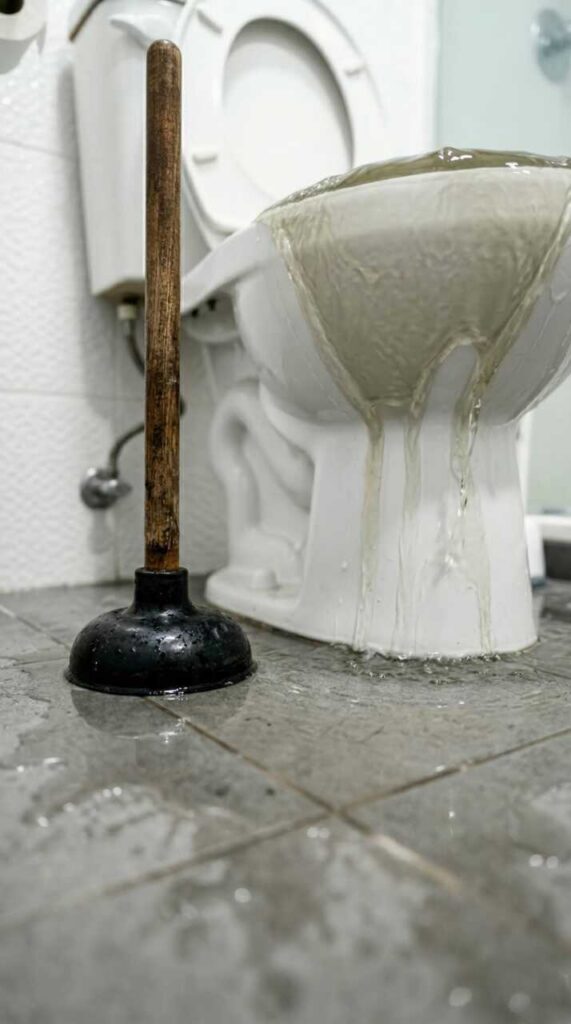
Sewage cleanup can feel like maneuvering through a toxic waste site, but it doesn’t have to break the bank. You can tackle this intimidating task with the right approach and tools. Understanding the risks and necessary precautions is essential, but so is knowing how to use what you already have at home. Curious about effective strategies that won’t drain your wallet? Let’s explore how to manage sewage issues efficiently and affordably.
Key Takeaways
- Use DIY cleaning solutions like vinegar and baking soda to minimize costs while effectively sanitizing affected areas.
- Regularly inspect and maintain drainage systems to prevent future sewage issues and costly repairs.
- Equip yourself with protective gear like gloves and masks to ensure safety during cleanup efforts.
- Check local regulations for proper disposal of contaminated materials to avoid fines and ensure safety.
- Engage with community resources or neighbors for shared cleanup efforts and support, reducing individual expenses.
Understanding the Risks of Sewage Damage
When you face sewage damage, understanding the associated risks is essential. Sewage can introduce health hazards, including bacteria and viruses, from various contamination sources.
These contaminants not only threaten your health but can lead to long-term effects like mold growth, which can exacerbate respiratory issues. The restoration costs can escalate quickly, impacting your property value considerably.
It’s vital to check your insurance coverage, as some policies may help offset these expenses. Additionally, consider the environmental impact of sewage damage on your community.
Utilizing local community resources can aid in stress management during this challenging time, ensuring you have support. Recognizing these risks can empower you to act decisively and protect your home and well-being.
Essential Safety Precautions for Cleanup
Before you begin sewage cleanup, it’s important to prioritize safety precautions to protect yourself from potential hazards.
Start by conducting a thorough risk assessment to identify health risks associated with sewage exposure. Equip yourself with appropriate safety gear, including gloves, masks, and boots, to minimize direct contact.
Contamination control is vital, so establish a designated cleanup area to prevent spreading contaminants. Don’t overlook personal hygiene; wash your hands frequently and avoid touching your face.
Ensure proper ventilation in the workspace to reduce harmful fumes. Familiarize yourself with emergency procedures in case of unexpected incidents.
Preparing for Sewage Cleanup: Tools You Need
Effective sewage cleanup requires a specific set of tools to secure safety and efficiency.
Start with essential cleaning supplies, including surface sanitizers and odor neutralizers, to tackle contamination effectively.
Don’t forget protective clothing like gloves and masks to shield yourself from harmful substances.
Safety equipment is vital—consider using contamination barriers to isolate affected areas and safeguard your safety.
For moisture control, invest in drainage solutions and ventilation methods to prevent further damage and odors.
Familiarize yourself with various cleanup techniques to maximize your efforts.
Use Household Items for Effective Cleanup
When it comes to sewage cleanup, everyday household items can be surprisingly effective.
Baking soda neutralizes odors, while vinegar serves as a powerful disinfectant solution.
Additionally, essential oils provide fragrance and can enhance your cleaning efforts.
Baking Soda Power
Baking soda is a powerful yet inexpensive tool in your sewage cleanup arsenal. This eco-friendly alternative serves multiple purposes, making it an essential cleaning agent.
Here’s how you can utilize baking soda effectively:
Odor Neutralizer: Sprinkle it in affected areas to absorb unpleasant smells.
Surface Cleaner: Mix with water to create a paste for scrubbing surfaces.
Stain Remover: Apply directly to stains, allowing it to sit before rinsing.
Moisture Absorber: Place bowls of baking soda in damp areas to prevent mildew.
Vinegar Disinfectant Solution
While many people overlook vinegar as a cleaning solution, it’s an incredibly effective disinfectant that can tackle sewage cleanup. Its vinegar effectiveness stems from its acetic acid content, which kills bacteria and neutralizes odors.
To create a powerful natural disinfectant, mix equal parts of vinegar and water in a spray bottle. After cleaning the area, spray the solution generously on surfaces that may have come into contact with sewage. Allow it to sit for at least 10 minutes before wiping it down.
This simple step disinfects and helps break down any lingering grime. By using vinegar, you can efficiently manage cleanup while maintaining a safe and healthy environment for you and your loved ones.
Essential Oil Benefits
Essential oils offer a versatile and effective approach to sewage cleanup, enhancing both sanitation and the environment of your home.
By incorporating these natural disinfectants, you can achieve odor elimination while enjoying the aromatherapy benefits. Here are some essential oil applications to contemplate:
Tea Tree Oil: Known for its antimicrobial properties, it helps kill bacteria and fungi.
Lavender Oil: Provides a calming scent while disinfecting surfaces.
Peppermint Oil: Acts as a natural deodorizer, freshening up spaces.
Lemon Oil: Its high acidity aids in cutting through grime and odors.
Using essential oils promotes cleanliness and contributes to a healthier living environment, making your cleanup efforts more enjoyable and effective.
DIY vs. Professional Cleanup: What’s Best?
When faced with a sewage cleanup, how do you decide between tackling the mess yourself or calling in professionals?
Start by considering a cost comparison. DIY options might seem cheaper upfront, but factor in potential expenses like protective gear and cleaning supplies.
Cleanup efficiency is another critical aspect. Professionals possess specialized equipment and expertise, often completing the job faster and more thoroughly.
If the situation is extensive or involves hazardous materials, it’s wise to lean on experts. However, for minor spills, a DIY approach can save money and empower you.
Assess your comfort level, time availability, and the severity of the situation to make an informed decision that best fits your needs and budget.
How to Properly Dispose of Contaminated Materials
When dealing with contaminated materials, it’s essential to understand local regulations to ensure compliance.
Utilize safe disposal methods to minimize health risks, and always wear protective gear to safeguard yourself.
Proper disposal isn’t just about getting rid of waste; it’s about doing so responsibly and safely.
Local Regulations Compliance
Understanding local regulations is essential for properly disposing of contaminated materials after sewage cleanup, as failure to comply can lead to fines or health hazards.
Here’s how you can ensure you’re following the necessary guidelines:
Check Local Permits: Determine if you need specific permits for waste disposal.
Understand Regulatory Standards: Familiarize yourself with the local environmental guidelines and safety regulations that apply to your situation.
Schedule Compliance Checks: Regularly review your process to ensure all steps align with inspection requirements.
Know Your Homeowner Responsibilities: Being aware of your obligations can help you avoid legal complications.
Safe Disposal Methods
Properly disposing of contaminated materials is essential for your safety and for protecting the environment.
Start by separating hazardous waste from compostable materials. Items like contaminated clothing, furniture, and chemicals should be recognized as hazardous waste and disposed of according to local regulations. Many municipalities offer designated drop-off sites for such items, ensuring safe handling and disposal.
For compostable materials, verify they’re free from any harmful substances before adding them to your compost pile. If you’re unsure, consult local waste management guidelines.
By following these steps, you contribute to a cleaner community while safeguarding your health.
Protective Gear Importance
Using protective gear during sewage cleanup isn’t just a precaution; it’s a necessity for your health and safety.
Understanding the importance of protective clothing can greatly reduce contamination risks. Here are key considerations for your gear:
Material Selection: Choose durable materials that resist punctures and chemicals.
Risk Assessment: Evaluate the specific hazards in your environment to ensure appropriate gear.
Safety Training: Familiarize yourself with cleanup protocols and proper gear usage.
Gear Durability: Invest in high-quality gear that can withstand the demands of sewage cleanup.
Affordable Sewage Cleanup Solutions
While dealing with sewage cleanup can be challenging, there are affordable solutions that make the process manageable. Start by exploring DIY techniques that utilize affordable materials, like vinegar and baking soda, which can effectively neutralize odors.
Engage with community resources to identify local partnerships that offer volunteer assistance for cleanup efforts. Budget planning is essential; allocate funds strategically for necessary supplies while considering cost-effective methods.
For larger projects, recycling strategies can help repurpose materials, reducing overall expenses. Don’t hesitate to connect with neighbors for shared resources, making the task less intimidating.
Tips for Preventing Future Sewage Problems
To prevent future sewage problems, it’s essential to understand the key factors that contribute to these issues.
Implementing proactive measures can save you time and money. Here are four tips to take into account:
Regular Drainage Maintenance: Keep your drains clear of debris to ensure proper water flow.
Routine Pipe Inspection: Check for leaks and blockages in your sewer line to catch problems early.
Install a Sump Pump: This helps prevent flooding and manages excess water effectively.
Use Landscaping Solutions: Design your yard to direct water away from your home, incorporating moisture barriers and root control to protect your plumbing.
When to Call in the Experts for Sewage Cleanup?
When should you consider calling in the experts for sewage cleanup? If you notice sewage backup, persistent odors, or water pooling in your home, these are clear sewage cleanup signs that require immediate attention.
Additionally, if contamination spreads beyond a small area, it’s time to consult professionals.
Expert consultation benefits include access to specialized equipment and techniques that ensure thorough remediation, greatly reducing health risks.
Furthermore, professionals can identify underlying issues that may lead to future problems, saving you money in the long run.
Don’t underestimate the importance of acting quickly; the sooner you engage experts, the less damage you’ll face.
Your safety and peace of mind are worth the investment.
Budgeting for Long-Term Sewage Maintenance
To ensure long-term sewage maintenance, you’ll want to establish a regular inspection schedule that helps catch issues early.
Implementing preventive maintenance strategies can also reduce costly repairs down the line.
Additionally, allocating funds for emergencies will prepare you for unexpected situations, keeping your system running smoothly.
Regular Inspection Schedule
Establishing a regular inspection schedule is essential for budgeting long-term sewage maintenance, as it helps identify potential issues before they escalate into costly repairs.
By prioritizing inspection frequency, you can enjoy several inspection benefits:
Early Detection: Spot problems like leaks or blockages before they worsen.
Cost Savings: Avoid expensive emergency repairs by addressing issues early.
System Longevity: Maintain your sewage system’s efficiency and lifespan.
Peace of Mind: Rest easy knowing your system’s in good shape.
Preventive Maintenance Strategies
Establish a routine that includes regular preventive checkups and plumbing inspections to catch issues early. Consider installing effective drainage solutions and ensuring your sump pump is functional, especially in flood-prone areas.
Pipe insulation can help prevent freezing and bursting, which might lead to costly repairs. Perform home assessments to identify potential sewer backups and flooding risks.
Emergency Fund Allocation
While unexpected sewage issues can disrupt your life, having a well-planned emergency fund can mitigate the financial impact.
To effectively budget for long-term sewage maintenance, consider these key steps:
Set a Target Amount: Aim for at least three to six months’ worth of emergency savings to cover potential unexpected expenses.
Conduct Cost Estimation: Assess potential sewage-related costs by consulting professionals and researching common issues in your area.
Prioritize Regular Contributions: Allocate a specific amount each month to build your fund steadily.
Review and Adjust: Regularly evaluate your financial planning to ensure your fund meets evolving needs.
Frequently Asked Questions
How Can I Identify Sewage Backup Before It Becomes a Major Issue?
To identify sewage backup early, watch for slow drains, gurgling sounds, or unpleasant odors. Regularly inspect your plumbing, and consider installing a backflow prevention valve to ensure you catch issues before they escalate.
What Are Common Signs of Sewage-Related Health Problems?
Around 1 in 10 people experience sewage exposure symptoms, including nausea, headaches, and respiratory issues. Recognizing these health risk factors early can protect you and your loved ones from severe complications and foster a safer environment.
Can I Use Bleach for Sewage Cleanup?
You can use bleach for sewage cleanup, but make certain you follow safety precautions. Its effectiveness helps disinfect, yet mixing it with other chemicals can create harmful fumes. Always wear protective gear to stay safe.
How Long Does It Take for Sewage Odors to Dissipate?
Sewage odors can linger like a stubborn ghost. Typically, they dissipate within a few hours to several days, depending on your odor elimination techniques and air purification methods. Act quickly for the best results!
Are There Insurance Options for Sewage Damage?
Yes, there are insurance options for sewage damage. Review your policy limits to understand coverage options. Often, standard homeowners’ insurance may not fully cover sewage issues, so consider additional riders for better protection.
Summary
By implementing these budget-friendly tips for sewage cleanup, you can save significant costs while ensuring safety. Regular maintenance and proactive measures can help you avoid becoming part of that statistic. Prioritize safety, engage in DIY solutions when possible, and know when to reach out for professional help. Your wallet—and your home—will thank you for taking these precautions.