
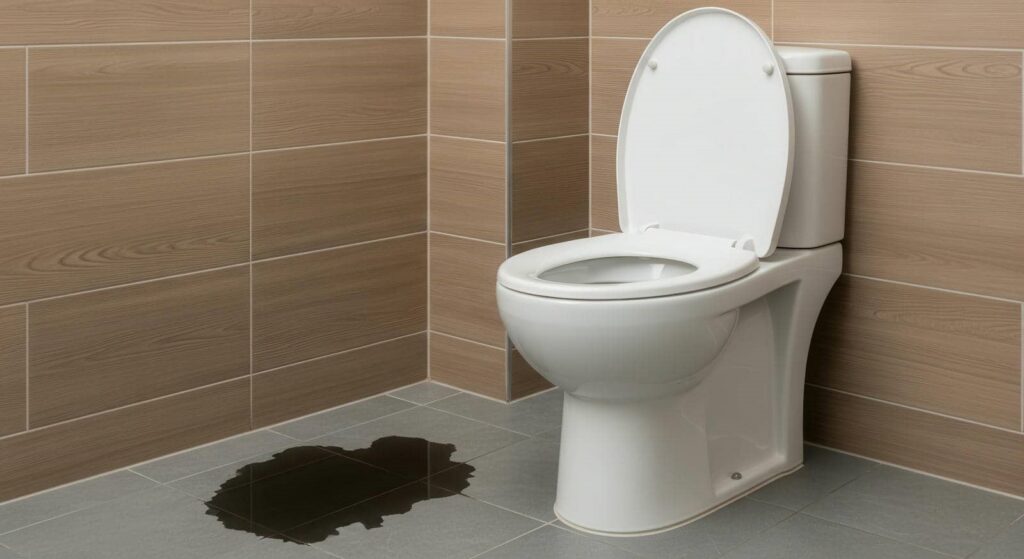
Imagine you discover sewage backing up into your basement during a heavy rainstorm. It’s essential to act quickly to protect your home and health. Knowing how to identify the signs of a sewage backup can make all the difference. From there, you’ll need effective sewage cleanup steps to contain the damage and determine when it’s time to call in professionals. Let’s explore the best procedures to handle this unpleasant situation and safeguard your property.
Key Takeaways
- Turn off the water supply immediately to prevent further overflow and damage from sewage backup.
- Wear protective gear such as gloves and masks to safeguard against health risks during cleanup.
- Use a wet/dry vacuum to carefully extract standing water, minimizing the risk of contamination.
- Block off affected areas with plastic sheeting or towels to contain sewage and prevent cross-contamination.
- Call professionals if significant hazards, large volumes of sewage, or structural damage are present for safe and thorough cleanup.
How to Identify Signs of a Sewage Backup?
When you notice unusual odors or water pooling in your home, it’s crucial to identify the signs of a sewage backup promptly.
Start by checking for sewage odors, which can indicate a serious issue. These smells often arise from drains, toilets, or basements, signaling that waste isn’t flowing correctly.
Additionally, be alert for water discoloration; if you see brown or murky water, it’s a strong indicator of contamination.
Monitor your plumbing fixtures as well; frequent clogs or slow drainage may suggest an impending backup.
Finally, observe any gurgling sounds from pipes, which can further confirm that sewage isn’t draining as it should.
Acting quickly can help you prevent extensive damage and ensure your home remains safe.
Steps to Contain Sewage Damage Immediately
Act quickly to contain sewage damage as soon as you suspect a backup. First, turn off the water supply to prevent further overflow.
Next, wear protective gear, including gloves and masks, to safeguard against harmful pathogens.
Begin sewage containment by blocking affected areas with plastic sheeting or towels to limit the spread. Assess the damage by checking surrounding rooms and items; note any contaminated surfaces. If possible, remove any valuables or items at risk.
Use a wet/dry vacuum to extract standing water, but avoid using a regular vacuum.
Finally, ventilate the area by opening windows and using fans, which helps reduce odors and moisture. Taking these immediate steps can greatly minimize damage and protect your home.
When Should You Call in the Pros for Sewage Cleanup?
Determining whether to call in professionals for sewage cleanup can be challenging. When you encounter significant sewage hazards, it’s essential to act swiftly.
If the spill involves a large volume of sewage, or if it’s contaminated with toxic substances, don’t hesitate to seek professional services. They’ve the expertise and equipment to handle hazardous materials safely.
Additionally, if you notice lingering odors, mold growth, or structural damage, these are indicators that you need help. Professionals can assess the situation accurately, ensuring that all health risks are mitigated.
Frequently Asked Questions
What Personal Protective Equipment Should I Wear During Cleanup?
Wear appropriate protective gear like gloves, masks, goggles, and waterproof boots during cleanup. Following these cleanup protocols minimizes health risks, ensuring you stay safe while effectively addressing the sewage issue in your home.
Can I Use Household Cleaners on Sewage Spills?
Sure, let’s just splash your favorite household cleaner on that sewage spill—said no one ever! Household cleaners aren’t effective for sewage; prioritize proper cleanup and prevention methods to protect your home and health.
How Long Does It Take for Sewage Odors to Dissipate?
Sewage odors can take anywhere from a few hours to several days to dissipate, depending on the extent of the spill and your odor elimination efforts. Proper ventilation and cleaning speed up the process considerably.
Will Homeowners Insurance Cover Sewage Cleanup Costs?
You’ll be relieved to know that homeowners insurance often covers sewage cleanup costs. However, policy specifics vary, so check your insurance coverage details to verify you’re adequately protected from potential financial burdens.
What Health Risks Are Associated With Sewage Exposure?
Sewage contamination poses serious health effects, including infections, gastrointestinal illnesses, and respiratory problems. You should avoid exposure, as harmful pathogens in sewage can lead to long-term health complications if not properly addressed.
Wrap-Up
In the face of a sewage backup, swift action is essential to minimize damage and health risks. By following the outlined steps—identifying signs, containing the area, and knowing when to call professionals—you can effectively manage the situation. Always prioritize safety and take proactive measures to protect your home and loved ones from the harmful effects of sewage exposure.