
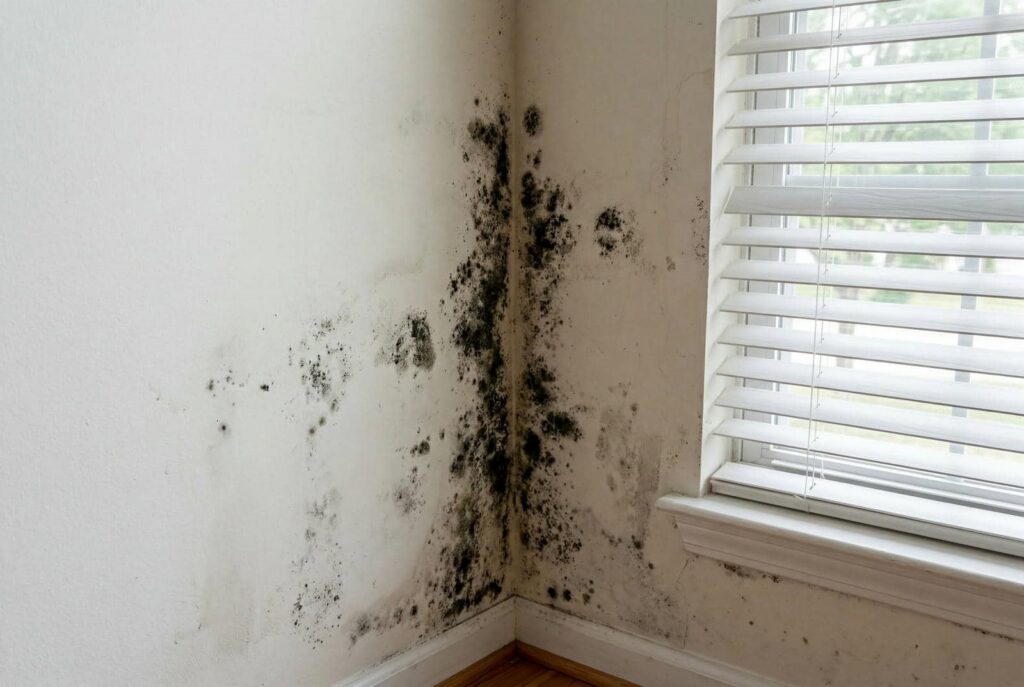
You may not know that mold can start growing within 24 to 48 hours after water damage, even when surfaces look dry. For effective Mold Prevention, you need to act fast, remove standing water, dry hidden areas, and pull out soaked materials before moisture settles into walls or flooring. A few practical steps can save you from bigger repairs later, and one of them is often overlooked.
Key Takeaways
- Start drying within 24 hours using fans, dehumidifiers, and open windows to limit mold growth.
- Remove standing water immediately with pumps, wet vacs, or mops to reduce moisture quickly.
- Check hidden areas like wall cavities, subfloors, and insulation for trapped dampness.
- Clean and disinfect hard surfaces after drying with soap, water, and EPA-registered products.
- Keep indoor humidity below 60% and call mold experts if you notice musty odors or visible mold.
Start Drying Within 24 Hours
Start drying within 24 hours to greatly reduce the chance of mold growth after water damage.
You should begin by opening windows, running fans, and using dehumidifiers to boost air circulation. Remove soaked materials that you can safely salvage, then spread items out so hidden dampness doesn’t linger.
Check walls, floors, and insulation with moisture monitoring tools to confirm drying is progressing. Keep indoor humidity low and maintain steady airflow across affected surfaces.
If you act quickly, you join the group of homeowners who limit mold before it spreads. Continue drying until readings return to normal and materials feel fully dry.
Don’t stop early, even if surfaces look dry, because trapped moisture can still support growth.
Remove Standing Water Fast
You should extract standing water immediately with pumps, wet vacs, or mops to reduce the moisture load fast.
Then you’ll need to dry hidden moisture in subfloors, wall cavities, and carpet padding, since pooled water often seeps into materials you can’t see.
Acting quickly now helps you control mold risk and makes the rest of the cleanup more manageable.
Extract Water Immediately
Standing water gives mold the moisture it needs to spread, so extract it as soon as possible after the damage occurs. You should start water extraction right away with pumps, wet vacs, or a professional crew if the volume is large.
Fast removal limits saturation, protects finishes, and keeps your space safer for everyone in the home. During this step, complete a moisture assessment to identify areas that still hold water and to guide your response.
Check floors, baseboards, and carpets for lingering dampness, and keep a clear plan so your team stays coordinated. Acting quickly doesn’t just reduce risk; it helps you feel in control and supported while you restore your property.
Dry Hidden Moisture
Hidden moisture can keep feeding mold long after visible water is gone, so dry wall cavities, subfloors, insulation, and other concealed spaces as quickly as possible.
You can’t rely on surface dryness alone; use moisture detection to find hidden moisture sources behind trim, under flooring, and inside framing.
Run dehumidifiers, air movers, and ventilation together to pull dampness out of materials.
Remove wet insulation and saturated drywall if they won’t dry within 24 to 48 hours.
Check corners, baseplates, and utility chases, since these spots often trap water.
When you act fast and methodically, you protect your home and join the group of owners who stop mold before it spreads.
Recheck readings daily until levels return to normal and stay there.
Dry Walls, Floors, and Furniture
Start drying walls, floors, and furniture as soon as it’s safe to enter the area, because moisture trapped in materials can lead to mold growth within 24 to 48 hours.
Use fans and dehumidifiers to increase air circulation and pull damp air from the room. Open interior doors and cabinets so hidden surfaces dry evenly, and place moisture barriers under equipment if the floor is still cool or damp.
Wipe hard furniture with clean towels, then inspect baseboards, wall edges, and carpet backing for lingering wet spots. Keep the space warm and ventilated, and check progress several times a day.
You’re not doing this alone; steady drying protects your home and helps your household get back to normal faster, with less risk.
Pull Out Wet Materials
Once you’ve dried the visible surfaces, remove any materials that still hold moisture, because wet drywall, insulation, carpet, carpet padding, and ceiling tiles can keep feeding mold even when the room feels dry.
You’ll protect your home faster by treating these items as part of your moisture management plan, not as salvageable décor. Cut out damp drywall above the water line, lift saturated carpet and padding, and bag porous debris for prompt wet material disposal.
If a piece stays cool, heavy, or smells musty, don’t leave it in place hoping it’ll recover. Work room by room so you can track what’s gone and what remains.
You’re not alone in this process; each item you remove helps your space get safer, cleaner, and more stable.
Clean Surfaces to Prevent Mold
After you remove wet materials, clean all remaining hard surfaces with soap and water, then apply an appropriate disinfectant to reduce mold risk.
You’ll also need to remove any visible residue, since dirt and organic film can help mold regrow. Focus on thorough, even cleaning so the surfaces dry clean and stay less hospitable to spores.
Surface Disinfection
Even when surfaces look dry, they can still hold contaminants that help mold take hold, so you should disinfect them promptly after water damage.
Choose EPA-registered products and follow the label for dwell time, dilution, and ventilation. Your best disinfection techniques target hard, nonporous surfaces like tile, metal, and sealed counters; you can’t rely on surface appearance alone.
Wipe doors, frames, shelves, and fixtures with clean cloths, then apply the disinfectant evenly so it can do its job. If your space includes mold resistant materials, keep treating them the same way, because protection isn’t a pass.
Residue Removal
Residue left behind by floodwater, soot, or cleaning products can feed mold growth if you don’t remove it thoroughly, so clean every affected surface with purpose.
You’ll protect your space best when you target common residue types and match them with the right cleaning agents.
- Vacuum loose debris with a HEPA filter.
- Wash hard surfaces with detergent and warm water.
- Rinse, then wipe dry to avoid film.
- Repeat on porous edges, trim, and hidden seams.
Work from top to bottom so contamination doesn’t spread back onto cleaned areas.
If you’re part of a recovery crew at home, stay consistent and patient; thorough residue removal helps everyone feel safer, and it gives mold less chance to return.
Control Humidity With Fans and Dehumidifiers
When moisture lingers after water damage, you need to move air fast and pull excess humidity out of the space to keep mold from taking hold.
Set box fans to create crossflow, then place a dehumidifier in the dampest area so it can work continuously. Keep doors open when possible, and empty the reservoir before it shuts off.
For steady humidity control, check walls, floors, and hidden corners with a hygrometer; moisture monitoring helps you see whether conditions are improving. Aim for indoor humidity below 50 percent, and keep equipment running until readings stay stable.
You’re not alone in this process—this simple setup gives your home a better chance to dry safely and stay protected.
When to Call Mold Remediation Experts
If water damage has already spread into drywall, insulation, subflooring, or hidden cavities, it’s time to call mold remediation experts. You’re not overreacting; you’re protecting your home and everyone in it.
Mold growth can begin within 24 to 48 hours, and once it reaches concealed materials, DIY cleaning won’t fully stop it.
- You smell musty odors after drying.
- You see staining, fuzz, or recurring spots.
- You’d sewage, floodwater, or prolonged leaks.
- Someone in the home has asthma, allergies, or other health risks.
Experts use moisture meters, containment, HEPA filtration, and removal protocols to prevent spread.
When you bring in trained help, you join a smarter recovery path that restores safety, limits structural damage, and gives your household real peace of mind.
Frequently Asked Questions
How Long Before Mold Starts Growing After Water Damage?
You can see mold growth within 24 to 48 hours after water damage, depending on water damage factors like warmth, moisture, and airflow. Act fast, dry materials thoroughly, and you’ll reduce risk and protect your space.
Is Bleach Effective for All Mold Types?
No—bleach isn’t effective for all mold types. Most porous surfaces can’t be fully disinfected. You’ll get better bleach effectiveness on nonporous materials, but you should remove contaminated porous items and dry everything quickly.
Can HVAC Systems Spread Mold Spores?
Yes, your HVAC system can spread mold spores through ducts and vents. Regular HVAC maintenance and timely mold inspections help you catch contamination early, protect indoor air, and keep your home feeling safe and cared for.
Does Insurance Cover Mold Remediation Costs?
Insurance may cover mold remediation costs, but you’ll need to check your mold coverage and remediation limits. You can often claim it after a covered water loss, though exclusions, caps, and prompt reporting usually apply.
What Health Symptoms Suggest Hidden Mold Exposure?
Sneezing, coughing, itchy eyes, headaches, fatigue, or worsening asthma can signal hidden mold exposure; if you notice mold allergy symptoms or chronic respiratory issues, you’re not alone—track patterns, reduce dampness, and seek medical evaluation.
Summary
When you act fast, you protect your home: start drying within 24 hours, remove standing water quickly, and dry walls, floors, and furniture thoroughly. When you pull out wet materials, clean surfaces, and control humidity with fans and dehumidifiers, you cut mold risk before it spreads. If you notice hidden moisture, musty odors, or visible growth, don’t wait—call mold remediation experts. You can stop mold early, and you can restore your space safely.