
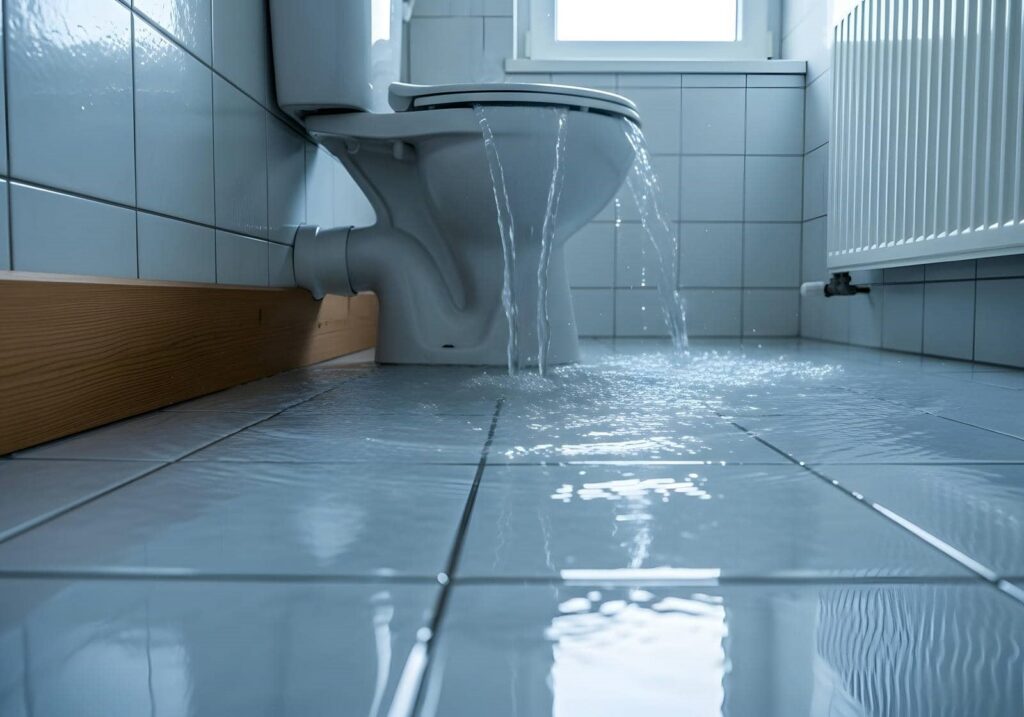
After a severe storm, you find your basement flooded with contaminated water, raising immediate concerns about sewage exposure. It’s vital to follow essential protocols for sewage cleanup to ensure safety and effectiveness. From evaluating the damage to utilizing the right protective gear, each step matters in preventing health risks. Understanding these procedures safeguards your well-being and aids in restoring your home efficiently. What comes next can greatly impact your recovery process.
Key Takeaways
- Wear appropriate safety gear such as waterproof suits, respirator masks, and goggles to protect against contamination during cleanup.
- Conduct a thorough assessment of affected areas to identify contamination sources and prioritize cleanup efforts based on severity.
- Utilize industrial-grade equipment for sewage extraction and ensure compliance with local regulations for waste disposal.
- Sanitize and disinfect all surfaces using EPA-approved disinfectants, focusing on high-touch areas and replacing any porous materials that cannot be cleaned.
- Document the cleanup process with photographs and notes for future reference and to assist with insurance claims and local health regulations.
What Are the Risks of Sewage Contamination After Flooding?
When flooding occurs, it’s imperative to understand the risks of sewage contamination, as contaminated water can pose serious health hazards. The primary contamination sources include overflowing sewage systems, industrial waste, and agricultural runoff.
You should be particularly cautious of pathogens, chemicals, and toxins that can linger in floodwaters. Direct contact with contaminated water may lead to infections, gastrointestinal issues, or respiratory problems.
It’s important to recognize that even seemingly clean water can harbor invisible threats, making it critical to assess the situation carefully. Always prioritize your safety and health by avoiding contact with floodwaters and seeking professional help for cleanup.
Understanding these risks protects you and fosters a sense of community responsibility during recovery efforts.
Essential Safety Gear for Sewage Cleanup
Proper sewage cleanup requires at least five essential pieces of safety gear to protect you from hazardous contaminants.
Wearing the right equipment is vital for your safety and health during the process. Here’s what you need:
- Protective Clothing: Use durable, waterproof suits to shield your skin from toxins.
- Respirator Masks: These prevent inhalation of harmful bacteria and chemicals in the air.
- Safety Goggles: Protect your eyes from splashes and irritants.
Additionally, don’t forget chemical gloves and boot covers for extra protection.
Always have a first aid kit on hand in case of emergencies.
Being well-equipped safeguards you and ensures a more efficient cleanup process.
Stay safe out there!
Step-by-Step Guide to Initial Assessment and Damage Control
Before you engage in the cleanup process, it’s essential to conduct a thorough initial assessment and implement damage control measures.
Start by performing an initial evaluation of the affected areas. Identify sources of contamination, such as sewage, and prioritize zones based on severity. Document your findings with photographs and notes for later reference.
Next, assess the extent of the damage; this includes inspecting walls, flooring, and furnishings for saturation and degradation. Make sure you isolate contaminated areas to prevent further exposure.
Implement temporary barriers if needed, and secure any valuables that may be salvageable.
Effective Sewage Removal and Disposal Techniques
Effectively removing and disposing of sewage requires a systematic approach to confirm safety and compliance with regulations.
You need to follow specific sewage extraction methods and waste disposal strategies to manage the situation properly. Here are key steps to take into account:
- Assess Contamination Levels: Determine the severity of sewage contamination to identify appropriate extraction methods.
- Utilize Proper Equipment: Use industrial-grade pumps and vacuums designed for sewage extraction to confirm efficient removal.
- Follow Local Regulations: Adhere to guidelines for waste disposal to prevent environmental contamination.
How to Sanitize and Disinfect Affected Areas
After successfully removing sewage, the next step is to sanitize and disinfect the affected areas to eliminate harmful pathogens and prevent future contamination.
Start by using effective sanitization methods like hot water extraction or steam cleaning to remove any residual contaminants.
Next, choose appropriate disinfection techniques, such as applying EPA-approved disinfectants, ensuring you follow the manufacturer’s instructions for contact time.
Pay close attention to high-touch surfaces, and don’t forget to ventilate the area to aid drying and reduce odors.
For porous materials, consider replacing items that can’t be adequately sanitized.
How to Identify and Remove Mold After Flooding
Identifying and removing mold after flooding is essential, as it can pose serious health risks.
You can effectively tackle mold by using these mold identification techniques:
- Visual Inspection: Look for discoloration or fuzzy growth on walls, ceilings, and floors.
- Moisture Measurement: Use a moisture meter to detect damp areas that encourage mold growth.
- Smell Detection: A musty odor often indicates hidden mold.
Once identified, implement mold remediation strategies to eliminate it:
- Containment: Seal off affected areas to prevent spores from spreading.
- Cleaning: Use specialized cleaning solutions to scrub surfaces.
- Drying: Ensure thorough drying to prevent regrowth.
When to Call in Professional Sewage Cleanup Services?
When should you consider calling in professional sewage cleanup services? If you’ve experienced significant flooding that has contaminated your home with sewage, it’s vital to act quickly.
Professional services are important when you notice sewage backflow or strong odors, indicating a serious problem. If the affected area is extensive or includes porous materials like drywall or carpet, it’s best to leave the cleanup to experts.
They possess specialized equipment and knowledge to handle biohazards safely. Additionally, if you’re unsure about the extent of contamination or lack the necessary personal protective equipment, don’t hesitate to call in professionals.
Prioritizing safety and thoroughness ensures your home returns to a healthy, livable state.
How to Prevent Sewage Flooding in the Future?
To effectively prevent sewage flooding in the future, it’s crucial to maintain your plumbing systems regularly.
Implementing strong flood prevention strategies will safeguard your home.
Here are three critical actions you should take:
- Regular Inspections: Schedule annual inspections of your plumbing and drainage systems to identify potential issues before they escalate.
- Proper Disposal: Avoid flushing non-biodegradable items down the toilet.
Educate your household on what’s safe to dispose of in drains.
- Drainage System Maintenance: Keep gutters and downspouts clear of debris, ensuring that water flows away from your foundation.
Understanding Your Rights and Insurance Coverage for Sewage Damage
You need to review your insurance policy carefully to grasp the coverage limits and what’s included regarding sewage damage. Many homeowners insurance policies cover certain types of water damage, but not all include sewage backup.
When filing insurance claims, document the damage thoroughly with photos and written descriptions. This evidence strengthens your case and can expedite the claims process.
Don’t hesitate to contact your insurance agent for clarification on your coverage options. Being informed empowers you to navigate the aftermath of sewage damage more effectively, ensuring you receive the support you need during this challenging time.
Resources for Sewage Cleanup and Flood Recovery Support
Accessing the right resources for sewage cleanup and flood recovery can greatly ease the burden of restoration.
To effectively navigate this process, consider the following flood recovery resources:
- Local Government Programs: Check with your municipality for grants, assistance programs, and resources tailored to flood recovery.
- Community Support Groups: Join local organizations that offer emotional and logistical support. They can connect you with others who’ve faced similar challenges.
- Professional Cleanup Services: Engage certified sewage cleanup specialists who can handle hazardous materials safely and efficiently.
Frequently Asked Questions
How Long Does Sewage Cleanup Typically Take After a Flood?
Sewage cleanup typically takes one to three weeks, depending on the extent of damage and the cleanup timeline. Effective flood recovery requires thorough assessment and remediation to ensure safety and prevent future issues.
What Are the Costs Associated With Professional Sewage Cleanup Services?
Professional sewage cleanup costs vary, typically ranging from $1,000 to $5,000. Insurance claims may cover some expenses, but service pricing depends on factors like damage extent and required equipment. Always consult your insurance for coverage details.
Can I Return Home During the Cleanup Process?
You shouldn’t return home during the cleanup process. Verify safety precautions are in place, and wait for a thorough home inspection to confirm it’s safe. Your well-being is the top priority during this time.
What Should I Do With Contaminated Personal Belongings?
You should sanitize items that can be cleaned, following disposal guidelines for those that can’t. Always prioritize safety; if in doubt, discard contaminated belongings to prevent health risks and ensure a safe environment.
Are There Long-Term Health Effects From Sewage Exposure?
Yes, sewage exposure can pose long-term health risks. Contamination effects may manifest as respiratory issues, skin infections, or neurological problems. Addressing these concerns promptly protects your well-being and safeguards your future health. Don’t overlook the importance.
Final Thoughts
Tackling sewage cleanup after flooding is vital for safeguarding your health and home. By following these essential protocols, you can navigate the murky waters of contamination with confidence. Remember, just as a sturdy ship weathers a storm, your preparedness will steer you clear of future hazards. If the situation feels overwhelming, don’t hesitate to call in professionals. Your safety is paramount, and taking the right steps ensures a swift recovery and peace of mind.