
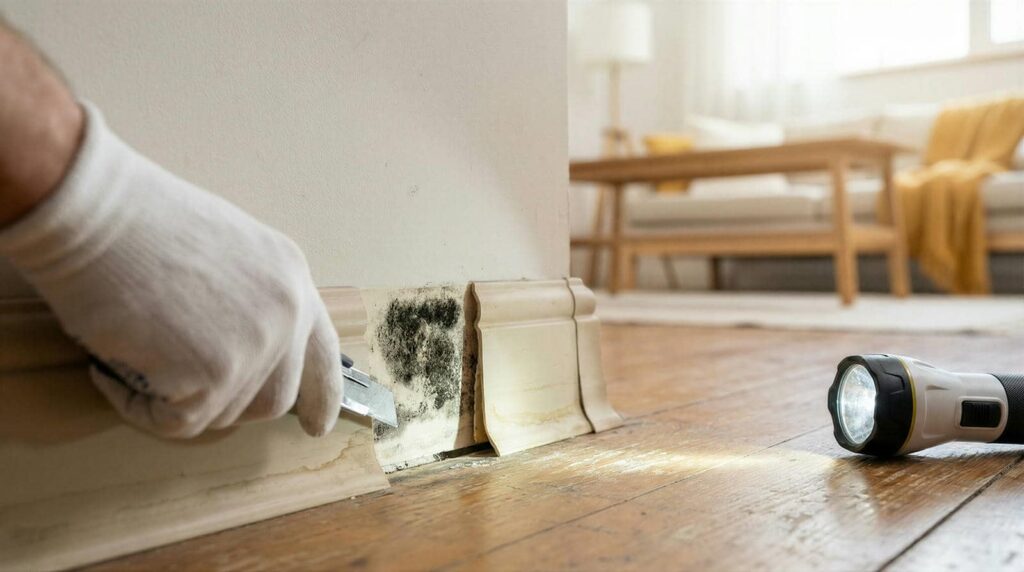
Imagine a homeowner who faced extensive mold growth after a basement flood. They underestimated the importance of prompt mold cleanup and proper ventilation, leading to health issues and costly repairs. By choosing effective mold cleanup strategies, you can avoid similar pitfalls. Understanding the risks and implementing proactive measures not only safeguards your property but also promotes a healthier living environment. Discover how to effectively manage mold cleanup and prevent future infestations.
Key Takeaways
- Health Protection: These strategies minimize health risks associated with mold exposure, particularly harmful types like black mold that cause respiratory issues.
- Effective Prevention: Maintaining low humidity and proper ventilation deters mold growth, reducing the likelihood of future infestations.
- Cost Efficiency: Early detection and professional cleanup can prevent extensive damage, ultimately saving money on repairs and health-related expenses.
- Comprehensive Approach: Using specialized techniques for different mold types ensures thorough removal, addressing both visible and hidden infestations effectively.
- Insurance Consideration: Understanding coverage options helps manage financial burdens during cleanup, facilitating timely reporting and claims for potential cost recovery.
What You Should Know About Mold Risks After Water Damage
When water damage occurs, it’s crucial to understand the potential for mold growth that can follow. Mold types vary, with some being more harmful than others. Common varieties like black mold can lead to serious health effects, including respiratory issues, allergic reactions, and even neurological problems.
If you’ve experienced water damage, act quickly to mitigate risks. Keep humidity levels low and maintain proper ventilation to discourage mold growth. Regularly inspect affected areas for signs of mold, especially in hidden spaces.
Understanding these risks empowers you to protect your health and home. Remember, addressing mold risks isn’t just about cleanup; it’s about creating a safe environment for you and your loved ones. Stay informed and proactive in your mold prevention efforts.
Key Signs You Need Mold Cleanup
If you see visible mold growth in your home, it’s a clear indicator that cleanup is necessary.
Additionally, a persistent musty odor often signals hidden mold problems that require immediate attention.
Addressing these signs promptly can help prevent further damage and health risks.
Visible Mold Growth
- Color Variations: Look for black, green, or white patches that signal mold presence.
- Location: Check areas with high moisture, like bathrooms or basements, where visible mold causes are common.
- Texture Changes: Notice any fuzzy or slimy textures on surfaces; these are often signs of mold growth.
- Health Symptoms: Be alert for allergic reactions or respiratory issues among occupants, indicating mold exposure.
Utilizing effective mold detection methods can help you respond promptly and safeguard your environment.
Musty Odor Presence
How can a musty odor signal a hidden mold problem in your home? When you detect a persistent musty smell, it often indicates moisture and potential mold growth lurking in areas like walls, ceilings, or under flooring.
Common musty odor sources include damp basements, leaky pipes, and poorly ventilated spaces. Ignoring this warning can lead to more significant mold issues, posing health risks and structural damage.
To address the problem, employ effective odor removal techniques such as thorough cleaning with antimicrobial solutions and improving ventilation.
Additionally, consider using dehumidifiers to reduce moisture levels. By acting promptly on musty odors, you can safeguard your home and create a healthier living environment for you and your loved ones.
Top Mold Cleanup Techniques You Should Know
When it comes to mold cleanup, knowing effective prevention methods is vital to avoid future infestations.
You also need to understand safe removal practices to protect your health and property.
Let’s explore these essential techniques for successful mold management.
Effective Prevention Methods
Although mold can thrive in various environments, implementing effective prevention methods substantially reduces its risk in your home.
Here are some preventive measures you should consider:
- Maintain Low Humidity****: Keep indoor humidity below 50% by using dehumidifiers and air conditioners.
- Perform Routine Inspections****: Regularly check areas prone to moisture, such as bathrooms and basements, for early signs of mold.
- Seal Leaks Promptly: Address any plumbing or roof leaks immediately to prevent moisture accumulation.
- Use Mold-Resistant Products****: When renovating, opt for mold-resistant drywall and paint to enhance your home’s defenses.
Safe Removal Practices
Even with preventive measures in place, mold can still find its way into your home, making safe removal practices essential.
Start by evaluating the affected area and wearing protective gear, including gloves, goggles, and a mask to prevent inhaling mold spores.
Use specialized cleanup equipment, such as HEPA vacuums and damp cloths, to contain and remove mold effectively. Avoid using dry methods that can release spores into the air.
Seal off the contaminated space to prevent cross-contamination, and guarantee proper ventilation while you work.
Once removed, clean surfaces with a solution of water and detergent, and allow everything to dry thoroughly.
Finally, discard contaminated materials responsibly to minimize further risks.
This approach helps keep your home safe and healthy.
Choosing Between DIY and Professional Mold Cleanup?
How do you decide between tackling mold cleanup yourself or hiring a professional? Here are four key factors to evaluate:
- DIY Tools: If you have the right equipment choices and feel confident, a DIY approach could work, especially for minor mold types.
- Professional Expertise: For extensive infestations, professionals bring knowledge to identify mold types and implement effective safety measures.
- Cost Comparison: Assess the costs of DIY tools versus hiring experts. Sometimes, the long-term savings of professional help outweigh initial expenses.
- Health Risks and Cleanup Time: Mold can pose serious health risks. Professionals often complete cleanup faster, ensuring your space is safe sooner.
Weigh these factors to make an informed choice that best suits your needs.
The Importance of Proper Ventilation During Cleanup
After deciding on your mold cleanup approach, maintaining proper ventilation is essential for a safe and effective process. Adequate air circulation helps minimize airborne spores, reducing the risk of inhalation and further contamination.
One of the key ventilation benefits is that it aids in drying out damp areas, which is vital for preventing mold regrowth. You should open windows and doors or use fans to promote airflow while you work.
If the situation allows, consider using an air purifier with a HEPA filter to capture smaller particles. By ensuring proper ventilation, you not only protect yourself but also create a healthier environment for everyone involved, fostering a sense of community and shared responsibility in mold prevention.
Essential Steps to Prevent Mold Growth
To effectively prevent mold growth, you need to address moisture and humidity levels in your environment.
Implementing effective moisture control is essential. Here are important steps to help you maintain a mold-free space:
- Improve Air Circulation: Use fans or open windows to enhance airflow, reducing stagnant humidity.
- Seal Leaks: Regularly check for and repair leaks in roofs, walls, and plumbing to minimize moisture entry.
- Use Dehumidifiers: Keep indoor humidity below 60% by using dehumidifiers in damp areas like basements.
- Regular Cleaning: Clean and dry any spills immediately, especially in bathrooms and kitchens, to prevent mold spores from taking hold.
Safe Disposal Methods for Moldy Materials
Even with proactive measures to prevent mold growth, sometimes materials become contaminated and need to be disposed of safely.
For effective mold disposal, first, wear protective gear like gloves and masks to avoid inhaling spores. Seal contaminated materials in plastic bags to prevent spreading mold during removal.
When you’re ready to dispose of them, check local regulations for guidelines on hazardous waste. Many areas have specific disposal sites for contaminated materials, ensuring safety for both you and the environment.
Never simply throw moldy items in regular trash, as this can lead to further contamination.
Cost of Mold Cleanup Services
Mold cleanup services can range considerably in cost, typically falling between $500 and $6,000 depending on various factors. Understanding these costs can help you plan effectively for your situation.
Here are key elements influencing cleanup costs:
- Extent of Infestation: The more extensive the mold growth, the higher the cleanup costs.
- Type of Mold: Certain molds require specialized removal techniques, affecting pricing.
- Insurance Coverage: Check your policy; some plans cover a portion of cleanup costs.
- Labor and Equipment: Professional services often include advanced equipment, which can also impact the overall price.
Being aware of these factors allows you to make informed decisions while addressing your mold issues effectively.
Frequently Asked Questions
How Long Does Mold Cleanup Typically Take?
Mold cleanup typically takes one to five days, depending on the infestation’s severity. Your mold removal timeline hinges on cleanup efficiency, including preparation, containment, and thoroughness in addressing affected areas to prevent recurrence.
Can Mold Return After Cleanup?
Yes, mold can return after cleanup if you don’t take preventive measures. To guarantee lasting results, implement long-term solutions like controlling humidity and fixing leaks. Your home deserves a mold-free environment for everyone’s safety.
What Personal Protective Equipment Is Necessary?
You need protective gear like gloves, masks, and goggles to guarantee your safety during mold cleanup. Following safety protocols is essential; they minimize exposure and help maintain a healthy environment for you and your community.
Are There Any Health Risks During Cleanup?
Yes, there are health risks during cleanup. Mold exposure can lead to respiratory issues, especially for sensitive individuals. Always wear protective gear and guarantee proper ventilation to minimize these risks while handling moldy materials.
How Can I Identify Hidden Mold?
You can identify hidden mold by using mold detection techniques like moisture meters and visual inspections. Check common mold locations such as bathrooms, basements, and around windows for signs of growth or water damage.
To Sum Up
In mold cleanup, think of your home as a garden. Just as you’d pull weeds before they take over, addressing mold swiftly can prevent a small issue from becoming a full-blown infestation. By maintaining low humidity and ensuring proper ventilation, you’re nurturing a healthier environment. Remember, investing in proactive measures now can save you from costly repairs later. Stay vigilant, and your home will thrive, free from the dangers of mold.