
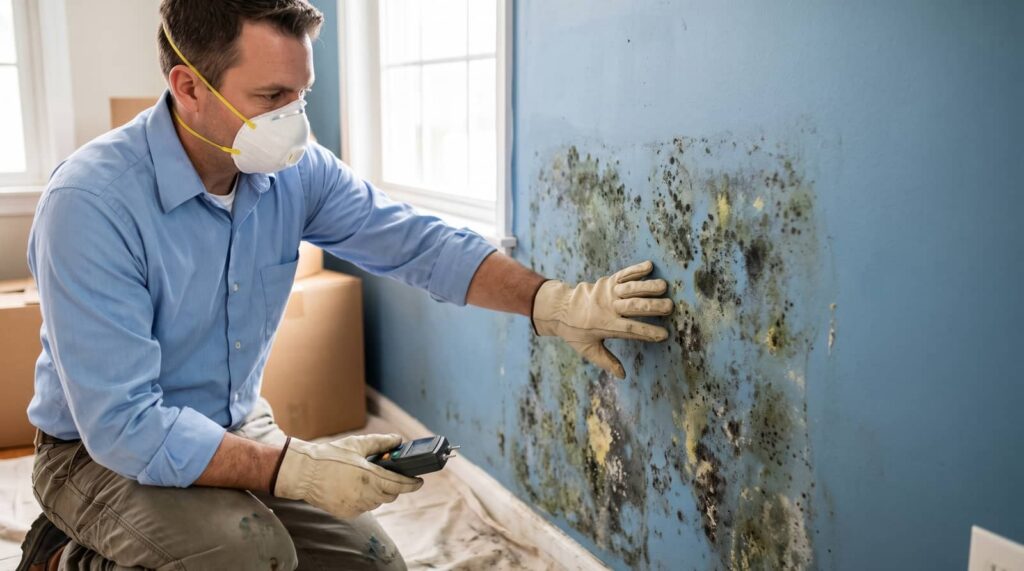
Mold Treatments begin long before any visible growth appears after water damage. What you may not know is that mold treatment starts by isolating the affected space, drying hidden moisture, and assessing porous materials for contamination. Professionals then use filtration, removal, and targeted cleaning to stop the spread and restore safe air quality. The real challenge is knowing which materials can stay and which ones can’t.
Key Takeaways
- Water damage mold treatment starts by stopping the moisture source and thoroughly drying affected materials.
- Affected areas are isolated with containment and negative air pressure to limit airborne mold spread.
- Contaminated porous materials are removed, while hard surfaces are cleaned with detergent and water.
- HEPA filtration helps capture airborne spores, improve air quality, and support safe drying.
- Final treatment includes moisture verification, humidity control below 50%, and replacement of damaged materials.
What Mold Treatment Does After Water Damage
After water damage, mold treatment targets the moisture source, visible growth, and contaminated materials to stop spores from spreading and prevent further colonization.
You’ll typically get a structured response: drying, containment, removal, cleaning, and verification. Technicians isolate affected areas, use negative air pressure, and remove porous materials that can’t be salvaged.
They clean hard surfaces with approved agents, then apply preventive measures to reduce recurrence, such as improving ventilation and correcting drainage.
Mold testing may confirm contamination levels before and after treatment, helping you verify that remediation worked. This process protects your indoor environment and helps your household or team return with confidence.
When you act quickly and follow a methodical plan, you reduce damage, restore stability, and support lasting protection against future moisture-related growth.
Signs You Need Mold Treatment Right Away
You need mold treatment right away if you see visible growth on walls, ceilings, or other damp materials after water damage.
You should also act immediately if you notice a persistent musty odor indoors, because that often signals hidden mold activity.
These signs mean moisture has already supported fungal growth, and you shouldn’t delay remediation.
Visible Mold Growth
Visible mold growth is a clear indicator that water damage has progressed beyond simple dampness and now requires immediate treatment.
You should inspect affected surfaces methodically, because colonies on drywall, framing, insulation, or flooring signal active growth. Use mold identification techniques such as color comparison, texture checks, and boundary mapping to confirm spread and document the area.
Visible mold hazards include structural weakening, surface contamination, and rapid expansion when moisture remains. You’ll protect your home and everyone in it by isolating the zone, reducing access, and arranging professional remediation quickly.
Don’t scrub or dry it casually; that can disperse spores and enlarge the problem. When you act promptly, you join homeowners who handle moisture damage with precision and keep restoration costs controlled.
Musty Odors Inside
A persistent musty odor often means hidden mold is active inside wall cavities, subfloors, HVAC components, or insulation, even when no staining is visible. You shouldn’t dismiss musty smells as stale air; they signal moisture and microbial growth that needs fast inspection.
Trace odor sources by checking damp carpets, leaking supply lines, crawl spaces, and condensate pans. If the smell strengthens after HVAC starts, your ductwork may be spreading spores throughout the home.
You and your household deserve a safe, healthy space, so document the odor, control humidity below 50%, and schedule professional mold treatment right away. Technicians can identify hidden contamination, remove affected materials, and stop recurrence before the damage spreads.
Why Drying Comes Before Mold Removal
Before mold treatment can work effectively, you need to stop the moisture source and dry the affected materials, because mold will keep spreading as long as conditions stay damp.
You’ll get better results when you use drying techniques that remove trapped water from drywall, framing, carpet, and insulation.
Moisture control is the first technical priority, since wet materials keep feeding colonies and weaken surfaces you rely on.
If you rush into removal, you can leave hidden dampness behind and the problem returns.
By drying thoroughly, you create stable conditions for the next steps and protect your space from recurring contamination.
That approach also helps you work with confidence, knowing you’re restoring a safer, healthier environment for everyone inside.
How Professionals Stop Mold Growth
Professionals stop mold growth by isolating the affected area, controlling humidity, and removing contaminated materials with methods matched to the surface and severity of damage.
You’ll see them verify moisture readings, map hidden impact, and set containment so spores don’t travel into clean spaces. Through professional assessments, they identify the source of ongoing dampness and confirm when conditions support safe recovery.
You benefit from a process built on mold prevention techniques, including targeted airflow management, surface monitoring, and strict cleanup protocols. This approach protects your property and helps you stay aligned with a team that treats your space like part of their own.
When each step is measured and documented, you get clear control, fewer surprises, and a stronger barrier against recurring growth.
Common Mold Treatment Methods for Water Damage
When mold follows water damage, technicians choose treatment based on the material, extent of contamination, and whether the surface is porous or nonporous. You’ll often see controlled drying, HEPA vacuuming, and antimicrobial application used to interrupt growth and limit spread.
On nonporous materials, cleaning agents can help lift residues, while porous items may need more aggressive moisture management or replacement. You should pair treatment with moisture control strategies so hidden dampness doesn’t support regrowth.
Technicians also use containment, negative air, and dehumidification to stabilize the area and protect adjoining rooms. Good mold prevention techniques include rapid leak repair, humidity monitoring, and verifying that all affected assemblies return to acceptable moisture levels.
When you understand these methods, you can work with confidence and stay aligned with your team’s standards.
Safe Mold Removal After Water Damage
Safe mold removal after water damage starts with isolating the affected area so spores don’t spread during work.
You should wear gloves, goggles, and an N95 respirator, then ventilate the space with exhaust fans.
Remove visible mold from hard surfaces using detergent and water, and dry everything completely.
Keep your team aligned by following preventive measures like sealing vents, bagging debris, and cleaning tools before leaving.
If you act methodically, you reduce health risks for everyone in the building.
- Contain the work zone
- Clean surfaces with approved solutions
- Dry and monitor humidity promptly
When to Replace Damaged Materials
After you’ve cleaned and dried the area, inspect every affected material for structural integrity, odor retention, and hidden moisture.
Your material assessment should focus on porous items first: drywall, insulation, carpet pad, particleboard, and ceiling tiles often trap contamination beyond practical cleaning.
If you see swelling, crumbling edges, delamination, warping, or persistent musty odor, follow replacement guidelines and remove the material.
You should also replace components that stayed wet for more than 24 to 48 hours or show visible microbial growth inside cavities.
Nonporous surfaces usually qualify for decontamination, but damaged seams, coatings, or fasteners can change that call.
Trust your own site conditions and act decisively; choosing replacement early helps you protect your space and stay aligned with a healthy, well-kept home.
How Mold Remediation Restores Air Quality
You restore indoor air quality by removing active mold colonies and capturing airborne spores at the source.
During remediation, you use containment, HEPA vacuuming, and controlled debris removal to reduce spore counts and prevent redistribution.
Air filtration then helps clear residual particulates, so you can lower exposure and stabilize the environment.
Mold Spore Removal
When mold colonies are disturbed during remediation, they release airborne spores that can quickly circulate through a damaged structure and degrade indoor air quality. You reduce exposure by locating mold spore sources, then removing contaminated materials and cleaning adjacent surfaces with controlled methods.
Mold spore testing helps you verify where concentrations remain elevated and confirms whether remediation is working.
- Contain affected rooms to limit spread.
- Remove porous materials that can’t be cleaned.
- Document results so you know the space is returning to normal.
You’re not just clearing visible growth; you’re restoring a healthier environment your household can trust.
Air Filtration Benefits
Air filtration is the next control that helps stabilize indoor air after mold spore removal. You reduce airborne residue by running HEPA-grade filtration systems that capture fine particles, including lingering mold fragments and dust stirred during cleanup.
This step supports better air quality while your damp materials dry and your structure resets. You’ll notice less odor, fewer irritants, and a cleaner environment for occupants who need to reenter with confidence.
Technicians place units to create steady air exchange, then verify performance with particle monitoring and filter changes.
When you pair filtration with source drying and containment, you strengthen the whole remediation plan. That coordinated approach helps your space feel safe again, and it keeps your household or team aligned around a healthier indoor standard.
How to Prevent Mold After Water Damage Repair
After water damage repair, preventing mold depends on controlling moisture at every stage of drying and recovery.
You should inspect hidden cavities, monitor humidity, and keep surfaces dry until readings stay below 50%. Use mold prevention techniques like HEPA vacuuming, antimicrobial cleaning, and prompt removal of damaged porous materials.
Your moisture control strategies should include dehumidifiers, air movers, and sealed containment to stop damp air from spreading.
- Check framing, insulation, and subfloors daily for residual moisture.
- Verify that HVAC ducts, vents, and wall voids are dry.
- Reclean and disinfect any area that shows staining or odor.
If you stay disciplined, you protect your space and help everyone feel confident that the repair is truly complete.
Frequently Asked Questions
Can Mold Treatment Remove Hidden Mold Inside Walls?
No, you can’t rely on treatment alone to remove hidden mold inside walls; you need mold detection methods and wall inspection techniques to find it first, then you’ll isolate, remove, and remediate contaminated materials properly.
How Long Does Mold Treatment Usually Take?
You’ll usually need 1–5 days for mold treatment, depending on contamination size, drying time, and repairs. Your mold removal duration depends on access and materials, while treatment effectiveness improves when you eliminate moisture quickly and thoroughly.
Is Mold Treatment Safe for Children and Pets?
Yes mold treatment can be safe for children and pets, but you’ll need careful treatment methods: isolate the area, ventilate well, and avoid mold exposure. You should follow professional guidance so everyone stays protected and included.
Will Insurance Cover Water Damage Mold Treatment?
Usually, you’ll get coverage if your insurance policies include sudden water damage, but mold treatment often faces coverage limits. You should review exclusions, document damage quickly, and file your claim promptly for best results.
Can I Stay Home During Mold Treatment?
Usually, you shouldn’t stay home during mold treatment if airborne spores may spread. You’ll reduce mold exposure effects by leaving during containment, filtration, and removal. Your technician’s treatment methods should determine safe reentry timing.
Review
When you address water damage mold treatments promptly, you’re not just handling visible growth you’re restoring balance to the environment. By drying materials, removing compromised items, and using professional containment and filtration, you reduce hidden moisture and airborne spores before they can settle in again. With routine humidity control and inspections, you’ll keep conditions from becoming more hospitable to mold and protect your space with a measured, technically sound approach.