
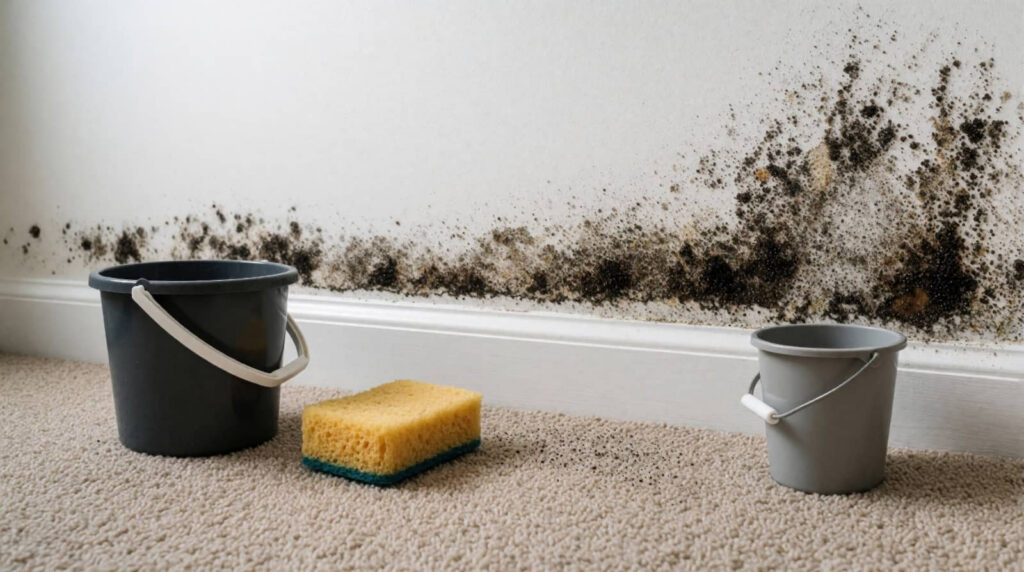
A dry wall can still hide a wet problem, and that’s why you need a moisture inspection before mold takes hold. You can’t always see trapped dampness behind drywall, under flooring, or around plumbing penetrations, but infrared imaging and pin meters can detect it early. This helps you identify active water intrusion, limit structural damage, and prevent mold growth before it spreads—yet the most critical warning signs often show up where you’d least expect them.
Key Takeaways
- Moisture inspection finds hidden wet areas before mold becomes visible.
- It traces leaks, condensation, and drainage failures causing mold growth.
- Calibrated meters and thermal imaging identify dampness with precision.
- Inspection reports help target drying, repairs, and remediation efficiently.
- Early detection reduces damage, costs, and future mold problems.
Signs Your Home Needs a Moisture Inspection
If you notice musty odors, visible staining, peeling paint, warped flooring, or recurring condensation, your home may need a moisture inspection.
You should also watch for damp basement walls, efflorescence, rusted fasteners, or soft drywall, because these point to active moisture sources.
In homes with high humidity, plumbing leaks, roof intrusion, poor ventilation, and drainage failures can keep materials wet long enough for mold to develop.
You can protect your household by scheduling inspections after storms, renovations, or any plumbing event, then adjusting inspection frequency based on age, climate, and prior damage.
If you belong to a community of homeowners who value prevention, acting early helps you limit repairs, preserve indoor air quality, and keep your living spaces structurally sound and comfortable.
What a Moisture Inspection Detects First
A moisture inspection first identifies active wetting conditions, because those reveal where mold risk is building fastest. You’ll see technicians trace moisture sources such as leaks, condensation, drainage failures, and elevated humidity, then compare readings against normal building ranges.
They use inspection tools like pin meters, thermal cameras, hygrometers, and moisture maps to confirm where materials are absorbing water. This first pass tells you which rooms need urgent attention and which systems are driving ongoing dampness.
Where Hidden Moisture Usually Hides
Hidden moisture often collects behind walls and ceilings, where plumbing leaks, roof intrusion, or condensation can persist without visible staining.
You’ll also find it under sinks and appliances, where supply lines, drain connections, and trapped condensation can saturate cabinets and flooring.
These concealed areas need close inspection because moisture can remain active long before you see mold growth or material damage.
Behind Walls and Ceilings
Behind walls and ceilings, moisture often hides in places you can’t see until damage has already started, so you need to inspect these areas carefully for early warning signs.
You should watch for hidden mold, staining, soft drywall, and musty odors, because these clues often point to leaks, trapped humidity, or wall condensation.
Use a moisture meter or infrared camera to check cool spots, especially around attic ceilings, exterior corners, and areas near insulation gaps.
When readings stay elevated, you’re likely dealing with a persistent source that can support microbial growth.
Early detection helps you protect your home and stay ahead of costly repairs.
Under Sinks and Appliances
Under sinks and appliances, moisture often collects in slow leaks, loose supply lines, failing seals, and overflowing drain pans, so you need to inspect these areas regularly for early signs of mold risk.
Check the under sink cabinet for warped wood, stained insulation, and musty odors, then tighten fittings and replace cracked supply hoses.
During appliance maintenance, examine refrigerator drip trays, dishwasher gaskets, and washing machine connections for condensation or pooling water.
Use a flashlight and dry tissue to verify hidden dampness behind panels and along baseboards.
If you spot corrosion, soft flooring, or persistent humidity, address it quickly to protect your home and keep your space healthy.
Regular checks help you stay ahead of mold and maintain a cleaner, safer environment.
How a Moisture Inspection Helps Prevent Mold
A moisture inspection helps you detect hidden dampness in materials, cavities, and other enclosed areas before it becomes visible damage.
You can also identify active water entry points, such as leaks, condensation zones, or failed seals, so you know where moisture is entering the building envelope.
Detect Hidden Dampness
Even when surfaces look dry, moisture can stay trapped inside wall cavities, under flooring, and around window frames, creating ideal conditions for mold growth.
During a moisture inspection, you use damp detection tools like pin meters, infrared cameras, and hygrometers to identify elevated readings before visible staining appears.
These measurements help you confirm where materials retain water and where humidity control needs attention.
By mapping temperature differences and moisture gradients, you can separate normal condensation from hidden dampness that could support fungal activity.
This technical check gives you a clear picture of your building’s risk profile, so you and your household can act early, stay informed, and protect shared spaces with confidence.
Identify Water Entry
Water entry often starts at weak points such as roof penetrations, flashing joints, plumbing fixtures, foundation cracks, and poorly sealed windows. A moisture inspection helps you trace those pathways before mold can establish itself.
You can identify leaky roofs by checking stained decking, saturated insulation, and elevated readings along rafters, while infrared imaging can reveal cooler, wet zones behind finishes.
At the slab and wall base, foundation cracks may show capillary moisture migration, efflorescence, or damp concrete. In your team, that data gives everyone a clear map of intrusion points, so you can verify source conditions instead of guessing.
Reduce Mold Growth
Once you’ve identified where moisture enters, you can act fast to lower indoor humidity, dry affected materials, and remove the conditions mold needs to colonize.
You reduce mold growth by correcting moisture sources before spores settle into drywall, insulation, wood framing, or carpet backing.
During moisture inspection, you can trace leaks, condensation, and hidden seepage, then target dehumidification, ventilation, and material removal where readings stay elevated.
That precision supports mold prevention because it limits the damp surfaces mold requires for germination and spread.
You also protect nearby occupants by keeping air quality more stable and minimizing contamination in shared spaces.
When you control moisture at the source, you interrupt the growth cycle early, before visible staining, musty odor, or structural damage can develop.
What Happens During a Moisture Inspection?
During a moisture inspection, a technician systematically checks areas where elevated humidity or hidden leaks can support mold growth, using tools such as moisture meters, thermal imaging cameras, and visual assessment.
You’ll get a targeted review of rooms, walls, ceilings, floors, and crawl spaces to locate moisture sources before they become larger problems. The inspection tools measure surface and internal dampness, identify temperature differences, and help confirm whether materials stay within acceptable limits.
You’ll also receive documentation of readings, so you can compare affected areas and understand where conditions encourage microbial growth. This process gives you clear, objective data, and it helps you feel confident that your home is being evaluated with precision, care, and a shared goal of maintaining a healthier indoor environment.
Moisture Inspection After Water Damage
After water damage, a moisture inspection identifies where liquid has penetrated building materials and whether hidden dampness still remains in walls, subfloors, insulation, or framing.
You get a precise baseline for drying because inspectors use pin and pinless meters, infrared imaging, and visual checks to locate moisture gradients. This process helps you confirm whether affected areas have returned to safe ranges and whether any concealed pockets could support mold growth.
You also gain inspection benefits by documenting the extent of contamination, which supports consistent communication with contractors and insurers.
When you act quickly, you reduce uncertainty and keep your property aligned with professional remediation standards.
For anyone managing water damage, this step gives you clear, technical evidence and helps your team stay coordinated.
Why Inspecting Moisture First Saves Money
By inspecting moisture first, you can target drying and repairs only where they’re actually needed, which reduces labor, material waste, and avoidable demolition.
You also verify the extent of elevated moisture before opening walls or replacing finishes, so you don’t pay for guesswork. That precision supports cost savings by narrowing the scope of mitigation and preventing repeated callbacks when hidden dampness remains.
Moisture mapping helps you prioritize the wettest assemblies, document conditions, and confirm when materials have returned to acceptable levels.
When you act on measured data, you lower the chance of secondary mold growth and preserve building materials that are still serviceable.
Those long term benefits help you protect your investment and stay confident with others who value sound maintenance decisions.
How to Choose a Moisture Inspection Service
What should you look for when choosing a moisture inspection service? You should verify that the team uses calibrated meters, infrared imaging, and proven moisture detection techniques to locate hidden intrusion before mold develops.
When choosing professionals, ask for certifications, inspection reports with readings, and clear remediation guidance. You’ll want a service that explains findings in plain language, so you feel informed and supported.
- Check licensing, insurance, and industry training.
- Confirm they inspect roofs, walls, crawl spaces, and HVAC systems.
- Request moisture maps, thermal images, and documented thresholds.
A reliable provider won’t guess; they’ll measure, document, and recommend targeted action. That precision helps you protect your home, reduce risk, and stay connected to a trusted local team that understands your concerns.
Frequently Asked Questions
How Often Should Moisture Inspections Be Scheduled?
You should schedule moisture inspections at least twice yearly, and after leaks, storms, or renovations. Your inspection frequency should align with preventive maintenance plans, building age, and humidity risks, so you protect your space together.
Are Moisture Inspections Safe for Pets and Children?
Yes, moisture inspections are generally safe for your pets and children; you’ll protect pet safety, support child health, and reduce exposure risks. You’ll benefit from noninvasive tools, quick procedures, and minimal disruption throughout your inspection.
Can Humidity Alone Cause Mold Growth?
Yes, high humidity can cause mold growth when humidity levels stay above 60% and surfaces remain damp. You can support mold prevention by controlling indoor moisture, improving ventilation, and monitoring condensation in vulnerable areas.
Do Older Homes Need More Frequent Inspections?
Yes, you should inspect older homes more often because aging materials, hidden leaks, and outdated ventilation increase risk. You’ll identify mold types earlier, and inspection benefits include better protection, faster repairs, and stronger peace of mind.
Is Moisture Inspection Covered by Homeowners Insurance?
Usually, you’re covered only if your policy details include sudden, accidental water damage; routine moisture inspection often isn’t covered. You’ll need to review insurance coverage carefully, since neglect, leaks, and mold exclusions can reduce claims.
Recap
You may think mold shows up first, but moisture usually gets there long before you notice anything. That’s why a moisture inspection matters: it finds hidden dampness, active leaks, and wet building materials before spores can take hold. Using infrared imaging and pin meters, you can target problems early, limit structural damage, and cut repair costs. In short, you inspect the moisture so mold doesn’t get the last word.