
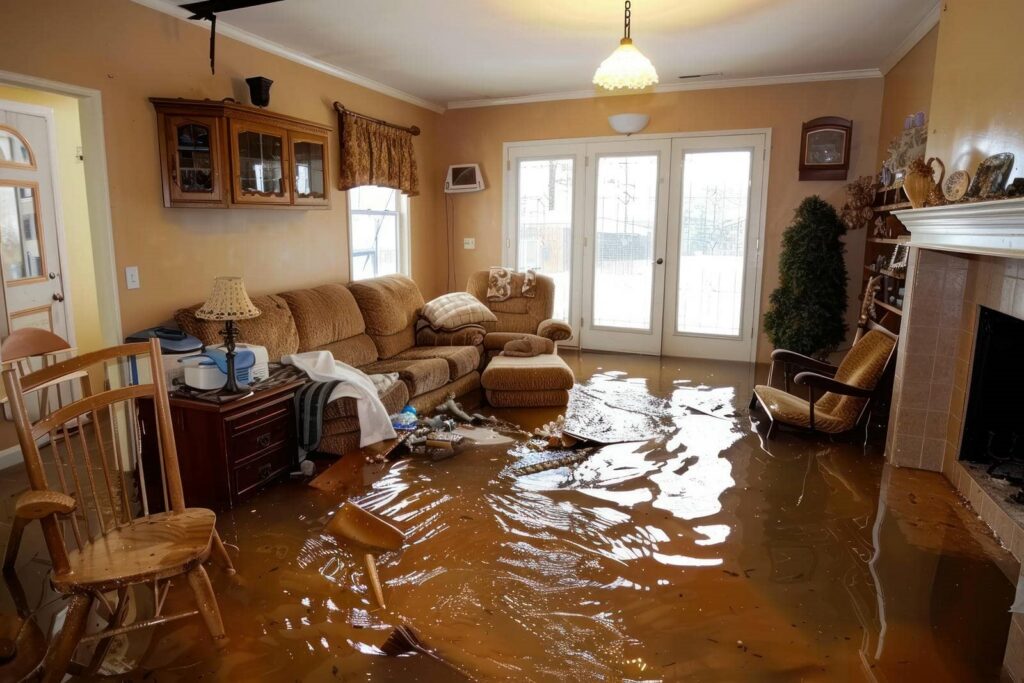
Water can creep under floors and into walls like an unseen current, turning a small leak into a hidden problem fast. When you choose professional water damage cleanup, you get a team that inspects, documents, dries, and restores with precision. They spot moisture you can’t see, reduce mold risk, and help protect your structure before damage spreads further. Here’s what that process really looks like.
Key Takeaways
- Professionals stop water source issues quickly and assess hidden damage before it spreads.
- They use proper drying equipment to remove moisture and protect structural materials.
- Expert cleanup helps prevent mold growth within the critical first 24 to 48 hours.
- Technicians document damage, support insurance claims, and identify needed repairs accurately.
- Professional teams provide safe, thorough restoration and ongoing communication throughout the process.
What to Do After Water Damage
Act quickly to limit damage and protect your home. First, shut off the water source and electricity if you can do so safely. Move family members and pets away from wet areas, and check water safety before entering flooded rooms.
Remove loose belongings, then document visible damage with clear photos for insurance claims. If the water came from a contaminated source, avoid contact and call professionals right away.
You’ll feel more in control when you ventilate the space and use fans only after confirming power is safe. A trained team can assess moisture, prevent hidden problems, and guide your next steps.
You’re not handling this alone; support is available, and fast action helps protect both your property and your peace of mind.
How Water Damage Spreads Fast
Water can spread far faster than it first appears because it follows gravity, wicks into porous materials, and moves through wall cavities, subfloors, and insulation.
You may think the wet spot is small, but hidden moisture keeps traveling from nearby water sources, widening the affected area and accelerating the damage timeline.
In minutes, drywall can swell; in hours, flooring can loosen; and by the next day, trapped water can begin degrading structural materials and finishes.
That’s why you shouldn’t wait and hope it dries on its own. When you act quickly, you protect your space, your belongings, and the people who depend on it.
A prompt response helps your home recover faster, and it puts you back with a team that knows how to stop spread at the source.
What Professionals Inspect After Flooding
Once the water’s spread is contained, professionals inspect the full extent of the damage to see what’s wet, what’s salvageable, and what needs removal.
They begin with a flood assessment of floors, walls, insulation, and hidden cavities, then use moisture detection tools to map damp zones behind trim, under flooring, and inside drywall.
You’ll also see them check electrical points, HVAC components, and structural materials for warping, staining, or corrosion.
This careful review helps your property team decide which areas need drying, cleaning, or replacement without guesswork.
Because they work methodically, you get a clear plan and a calmer path forward.
Their findings also help you stay connected to the process, so you know what’s happening and why each step matters.
Why Water Damage Cleanup Matters
Water damage cleanup matters because you need to remove moisture fast before it weakens framing, flooring, and other building materials.
When you act quickly, you can prevent structural damage and keep small leaks from turning into costly repairs.
It also helps stop mold growth by drying affected areas before spores can spread.
Prevent Structural Damage
Even a small leak can weaken framing, warp flooring, and compromise drywall long before the damage becomes obvious.
When you act quickly, you protect foundation integrity and keep hidden shifts from spreading through your home. A professional structural assessment identifies moisture paths, swollen subfloors, and compromised supports before they turn into costly repairs.
You’ll get targeted drying, removal of damaged materials, and precise monitoring that restores stability without guesswork. That means your space stays safer, your investment holds value, and you can feel confident your home is still solid underfoot.
With the right cleanup team, you’re not just fixing water intrusion—you’re preserving the structure that keeps your family secure and your home community strong.
Stop Mold Growth
Moisture left behind after a leak or flood creates the perfect conditions for mold to start within 24 to 48 hours, spreading through drywall, insulation, carpets, and hidden cavities.
You need fast drying, because every wet surface raises risk and can trap spores in your space. Professional cleanup teams use dehumidifiers, air movement, and moisture mapping to remove hidden dampness before colonies take hold.
They also apply mold prevention strategies by cleaning contaminated materials, controlling humidity, and sealing vulnerable areas.
If growth has already begun, trained specialists use proven mold remediation techniques to isolate affected zones and reduce cross-contamination.
With prompt action, you protect indoor air quality, preserve your property, and keep your home feeling safe, healthy, and part of a community that cares.
Professional Water Damage Cleanup Tools
When damage spreads beyond what household equipment can handle, professional water damage cleanup tools let you remove standing water, control humidity, and stop further deterioration fast.
You get a coordinated system built for your space and your recovery.
- moisture detection helps you verify affected areas quickly
- extraction equipment pulls water from floors and carpets efficiently
- drying techniques reduce dampness and stabilize materials
- restoration products support cleaning and surface protection
These tools work together to speed cleanup and limit disruption.
You’re not guessing; you’re using calibrated gear that guides each step with precision.
That means you can move from crisis to control with confidence, knowing your home is being handled by a team that understands what you’re facing and knows how to help you recover safely and efficiently.
How Experts Remove Hidden Moisture
To stop hidden moisture from causing mold, warping, or structural decay, experts use targeted inspection and drying methods that reach behind walls, under flooring, and into cavities you can’t see.
You get moisture detection with meters and thermal imaging, so hidden leaks show up fast. Technicians map wet zones, open only what’s necessary, and place air movers and dehumidifiers to pull water from materials before it spreads.
They monitor readings daily, adjusting equipment until every area returns to safe levels. This approach protects your home and keeps you informed at every step.
You’re not dealing with guesswork; you’re working with a team that knows how to find what’s trapped, dry it thoroughly, and help your space feel secure again.
Why Mold Prevention Starts Early
Early mold control starts the moment water intrusion is discovered, because damp materials can begin supporting growth within 24 to 48 hours. You protect your space by interrupting the mold lifecycle before spores settle and colonize.
When you act early, you’re not just limiting damage; you’re joining the group of owners who use preventive measures to keep interiors healthier and more stable.
- Stop moisture at the source
- Reduce indoor humidity quickly
- Dry porous materials fast
- Isolate affected areas
These steps help you avoid conditions mold loves and make cleanup more effective. You don’t need to guess; you need timely action, clear inspection, and consistent follow-through.
Early prevention gives you control, lowers risk, and supports your home’s long-term resilience.
What to Expect During Restoration
During restoration, you’ll start with an initial assessment so the team can identify the water source, measure damage, and map out the right cleanup plan.
Next, they’ll use drying equipment to remove hidden moisture and stabilize affected materials.
After that, they’ll complete needed repairs so your space can return to safe, normal use.
Initial Assessment Process
The first step in water damage restoration is a thorough on-site assessment, where a technician identifies the water source, evaluates the extent of damage, and checks for hidden moisture in walls, floors, and structural materials.
During this initial inspection, you’ll get a clear damage evaluation that guides the next decisions and helps you feel informed, not overwhelmed. We document affected areas, note safety concerns, and explain what the findings mean for your property and your family.
- source identification
- moisture mapping
- material classification
- safety review
You’re part of the process, and we’ll keep you updated with straightforward answers.
This focused assessment helps your team act quickly, protect your space, and move toward a complete, well-planned recovery.
Drying And Repairs
Once the assessment is complete, your restoration crew can start controlled drying and targeted repairs to stop further deterioration and stabilize the structure.
You’ll see professional drying techniques like air movers, dehumidifiers, and moisture mapping used to pull hidden water from walls, subfloors, and framing. The team checks humidity and material readings daily, so you know progress stays on track.
As surfaces dry, technicians can remove damaged drywall, insulation, and flooring, then apply repair methods that restore strength and appearance.
They’ll seal, patch, and replace components with care, keeping your space safe and familiar.
You’re not facing this alone; your crew guides each step, answers questions, and helps your home or business move steadily back to normal.
Frequently Asked Questions
How Soon Should Insurance Be Contacted After Water Damage?
Contact your insurer immediately after water damage—ideally within hours. You’ll speed your water damage response, protect insurance claims, and join a trusted recovery path. Document damage, then call before repairs start.
Can Clean Water Become Unsafe Over Time?
Yes—crystal-clear water can turn hazardous as it soaks into materials, picks up debris, and breeds microbes. You’ll face water contamination risks and clean water hazards quickly, so act fast, stay protected, and restore safely together.
How Long Does Professional Cleanup Usually Take?
Professional cleanup usually takes 1 to 5 days, depending on damage. You’ll get a clear cleanup duration after inspection, and the restoration process starts right away, helping you feel supported, informed, and confident.
Will Furniture Always Need Replacement After Flooding?
No, you won’t always need replacement after flooding. With timely furniture restoration, you can salvage many pieces after flood damage, like rescuing a ship’s cargo; you’ll assess materials, dry thoroughly, and prevent hidden mold.
Are All Water Damage Restorations Covered by Insurance?
No, you can’t assume all restorations are covered; your insurance policy specifics and water damage types determine eligibility. You’ll feel more confident when you document losses, review exclusions, and coordinate with your adjuster quickly.
Review
When you choose professional water damage cleanup, you’re protecting your property from the ground up. Experts act fast, inspect every affected area, and use specialized tools to remove hidden moisture before mold gets a foothold. That early response helps you avoid costly secondary damage and keeps restoration on track. With clear communication and steady support, you can breathe easy knowing your home or business is in capable hands and on the road back to normal.