
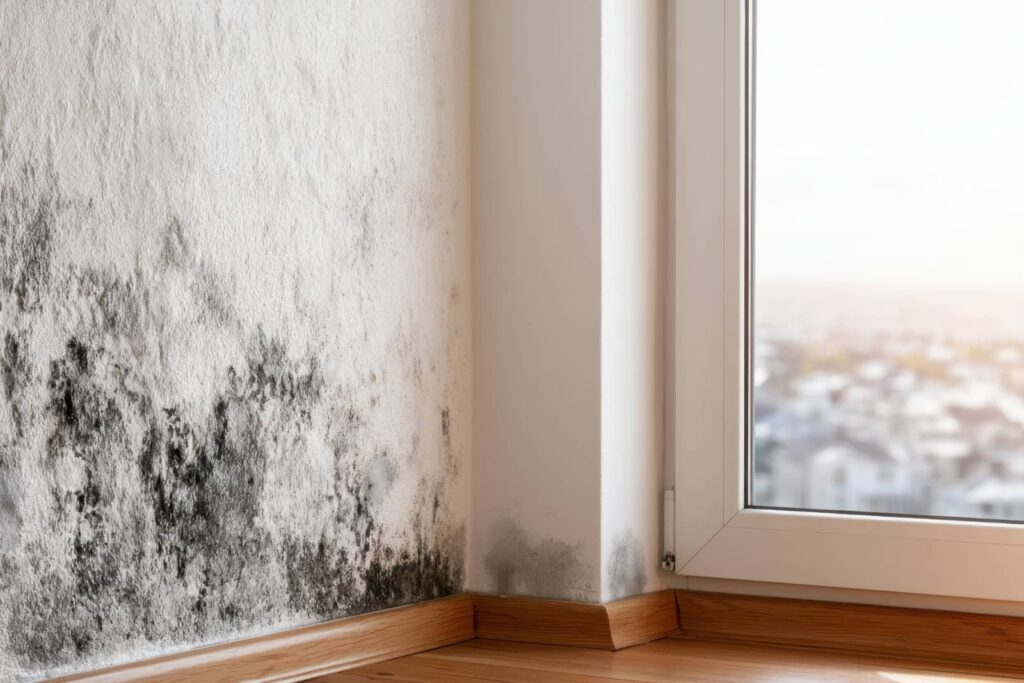
A damp room can turn quiet and ordinary into a fast-moving mold problem. Water Damage Mold Cleanup starts with stopping the spread, drying the area, removing damaged materials, cleaning hidden contamination, and preventing it from returning. Each step matters, and timing does too, because missed moisture can keep feeding growth behind walls, under floors, and inside insulation. If you want the cleanup to hold, you’ll need to see what usually gets overlooked next.
Key Takeaways
- Act quickly after water damage to isolate the area and stop mold from spreading.
- Dry the space immediately with fans, dehumidifiers, and prompt water removal.
- Wear protective gear and remove moldy porous materials like drywall and carpet.
- Clean remaining surfaces with a HEPA vacuum and approved mold-cleaning products.
- Keep humidity below 60% and fix leaks to prevent mold from returning.
Stop Mold From Spreading After Water Damage
After water damage, you need to act quickly to keep mold from spreading into walls, flooring, and air ducts. You’ll protect your space by locating the water source, isolating affected rooms, and limiting foot traffic so mold spores don’t disperse.
Shut off HVAC returns in the impacted area if you can do so safely, and use ventilation improvement to direct air away from clean rooms.
Then focus on humidity control with dehumidifiers and indoor monitoring so moisture doesn’t keep feeding growth.
Remove wet materials only when you can handle them safely, and bag debris before moving it through the home.
These steps help you stay in control and protect the people who belong in your space.
Dry Out the Area Before Mold Grows
Once you’ve contained the affected area, move straight into drying so mold doesn’t get the moisture it needs to establish itself. You can protect your space with disciplined moisture control and steady air circulation. Open windows if outdoor conditions are dry, run fans across wet surfaces, and use a dehumidifier to pull humidity down quickly.
Stay consistent and check hidden corners, baseboards, and subfloor edges.
- Remove standing water promptly.
- Keep fans angled to move air.
- Empty dehumidifier tanks often.
- Monitor humidity with a meter.
- Recheck damp spots twice daily.
When you act fast, you’re not alone; you’re following the same proven cleanup steps crews use to keep indoor environments stable, safe, and ready for the next phase of recovery.
Remove Moldy Drywall, Carpet, and Insulation
Now remove any porous materials that have absorbed water and show visible mold growth, including drywall, carpet, padding, and insulation.
Wear gloves, eye protection, and a respirator, and keep the work area isolated so you and your team stay protected.
Cut drywall at least 12 inches beyond staining or swelling, then bag debris immediately.
Roll up carpet and padding in sections, keeping the contaminated face inward.
Remove wet insulation from wall cavities and ceilings without shaking it loose.
Use approved mold removal techniques to limit spore spread, and follow strict safety precautions throughout the job.
You’re protecting the home’s structure and helping your household recover with confidence.
Seal all waste in heavy plastic bags and dispose of it according to local rules.
Clean Hidden Contaminated Surfaces
With the visible moldy materials removed, you can clean the hidden surfaces they exposed, including framing, subfloors, sheathing, and wall cavities. You’re now addressing hidden contaminants with careful surface cleaning that protects the structure and supports your crew’s progress.
Use a HEPA vacuum first, then wipe or scrub accessible surfaces with an approved cleaner. Keep strokes deliberate so you don’t spread residue into clean zones.
- Inspect joints and seams
- Vacuum loose debris
- Scrub porous-looking residue
- Rinse if the product requires it
- Dry each area completely
If you share the space with others, keep communication clear so everyone knows which areas are safe to enter. Your methodical work helps the whole team move forward with confidence.
Prevent Mold From Returning After Cleanup
After cleanup, you need to control moisture fast so mold doesn’t return to the same areas. Check humidity daily and keep indoor levels below 60%.
Run dehumidifiers, repair leaks, and improve ventilation in bathrooms, kitchens, and basements. Dry any wet materials within 24 to 48 hours, and replace porous items that stayed contaminated.
Use mold prevention strategies such as sealing gaps, insulating cold surfaces, and directing water away from the foundation.
Stay consistent with long term monitoring so you catch new damp spots, musty odors, or staining early. You’re not handling this alone; a steady routine helps your space stay safe, stable, and comfortable.
If moisture keeps coming back, bring in a qualified specialist before the problem spreads.
Frequently Asked Questions
How Soon Should I Inspect for Mold After Water Damage?
You should inspect for mold within 24 to 48 hours after water damage. That mold growth timeline starts fast, so increase inspection frequency daily until drying’s complete; you’ll protect your home and feel supported.
Can I Stay Home During Mold Cleanup?
Only if the cleanup’s small and contained; otherwise, you’re safer elsewhere. Like storm clouds, mold can spread fast, raising mold health risks. Ask pros about containment, ventilation, and staying safe before you stay home.
What Protective Gear Is Needed for Mold Cleanup?
You need protective masks, safety goggles, gloves, and disposable coveralls for mold cleanup. You’ll also want boots and, for larger jobs, a respirator. These layers help you stay safe, supported, and in control.
How Do I Know if Mold Has Spread Inside Walls?
You can suspect hidden wall mold if you notice wall inspection signs like staining, bubbling paint, musty odors, and soft drywall. Use mold detection techniques, including moisture meters and inspection openings, to confirm spread.
When Should I Call a Professional Mold Remediation Company?
You should call a professional mold remediation company when you notice mold growth indicators, since mold affects 1 in 3 buildings after water damage. You’ll get a professional assessment, safer containment, and peace of mind.
Final Thoughts
After water damage, you need to act fast to protect your home and health. Stop mold from spreading, dry the space completely, remove contaminated materials, clean hidden surfaces, and keep humidity low. For example, if a basement leak soaks drywall overnight, you can prevent a larger mold problem by isolating the area and using dehumidifiers right away. When you follow these steps, you’ll reduce damage, control odors, and keep mold from coming back.