
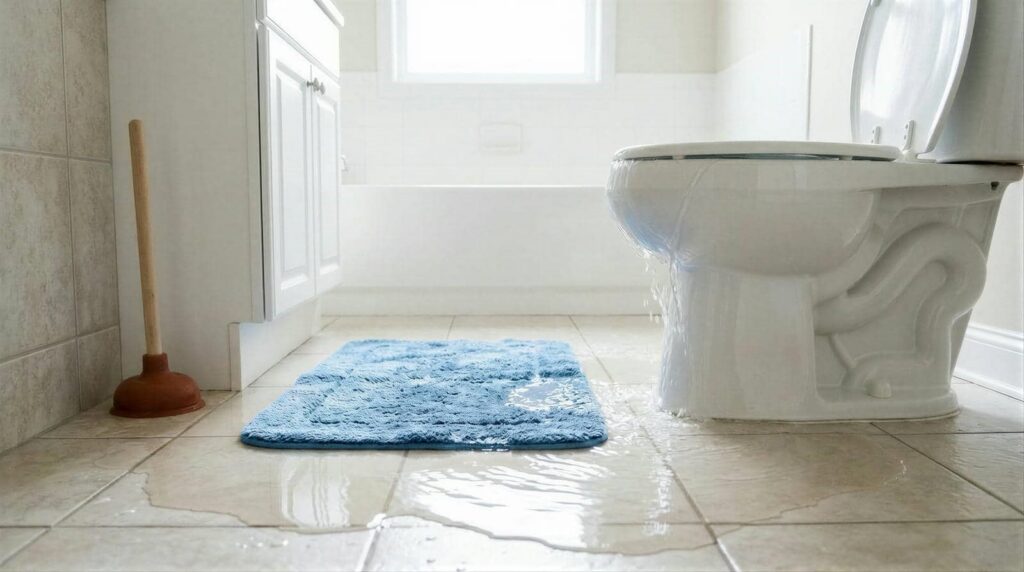
Imagine your home as a ship maneuvering through calm waters, only to hit a sudden storm of sewage. The chaos can be overwhelming, but knowing how to respond can steer you back on course. Understanding the costs of sewage cleanup and when to call in experts is essential. You might think DIY is a viable option, but extensive damage can complicate things quickly. What steps should you take to ensure your ship stays afloat?
Key Takeaways
- Assess the severity of sewage damage to estimate potential cleanup costs before proceeding with restoration efforts.
- Always call professionals for persistent odors, visible backups, or health risks related to sewage issues.
- For DIY cleanup, use safety gear, seal contaminated materials, and disinfect thoroughly to prevent health hazards.
- Prevent future sewage problems by scheduling inspections and avoiding flushing non-biodegradable items.
- Document all damage and follow your insurance policy guidelines for a smoother claims process.
How Much Does Sewage Cleanup Cost?
How much should you expect to spend on sewage cleanup? The cost can vary widely, influenced by several key factors.
First, consider the extent of the damage; a minor spill may run a few hundred dollars, while extensive contamination could exceed thousands.
Next, the cleanup process itself plays a role—whether it’s simple extraction or involves structural repairs.
Additionally, the type of sewage impacts pricing; black water, for instance, requires more rigorous safety protocols than gray water.
Finally, location matters—urban areas may have higher rates due to demand.
When Should You Call Professionals for Sewage Issues?
When facing sewage issues, knowing when to call in professionals can considerably impact your safety and the effectiveness of the cleanup.
Recognizing the signs of contamination is vital, as sewage health risks can be severe. Here are key indicators that it’s time to reach out for expert help:
- Persistent foul odors in your home
- Visible sewage backups or pooling
- Water damage around pipes or fixtures
- Mold growth in affected areas
- Unusual health symptoms among occupants
If you notice any of these signs, don’t hesitate to contact professionals.
They possess the expertise and equipment to address the situation safely, ensuring your home returns to a healthy state.
Prioritizing safety is essential when dealing with sewage issues.
How to Cleanup Sewage Yourself
Addressing sewage cleanup yourself can be a challenging task, but with the right approach and precautions, it’s manageable.
First, make sure you’re equipped with the necessary DIY equipment, such as gloves, masks, and disinfectants. Prioritize sewage safety by blocking off the area to prevent contamination and using appropriate protective gear.
Begin by removing solid waste and contaminated materials, placing them in sealed bags for disposal. Use a wet vacuum for liquid cleanup, making sure you’re careful with electrical hazards.
Once the area is dry, disinfect surfaces thoroughly to eliminate bacteria.
Finally, monitor for lingering odors or issues, as they can indicate further problems. By following these steps, you can effectively tackle sewage cleanup and restore your space safely.
Tips for Preventing Sewage Problems
Although sewage problems can arise unexpectedly, you can take proactive measures to minimize the risk. Regular plumbing maintenance is essential for keeping your sewage systems in good shape.
Here are some tips to help you prevent costly issues:
- Schedule routine inspections to catch potential problems early.
- Avoid flushing non-biodegradable items down the toilet.
- Use strainers in sinks and showers to catch hair and debris.
- Be mindful of tree roots that could invade your sewage lines.
- Keep an eye on unusual odors, which may indicate a blockage.
Navigating Insurance Claims for Sewage Damage
Understanding the intricacies of insurance claims for sewage damage can greatly ease the recovery process after such an unfortunate event.
First, review your insurance policy to confirm coverage specifics; not all policies cover sewage damage.
Next, document the damage thoroughly with photos and notes, as this evidence is essential in supporting your claim.
Initiate the claim process by contacting your insurance provider promptly, providing all necessary documentation.
Be prepared for an adjuster’s visit to assess the damage.
Keep records of all communications and follow up regularly to ensure your claim is being processed.
Finally, understand your rights and ask questions if anything seems unclear; this empowers you in maneuvering the claims process effectively, promoting a smoother recovery.
Frequently Asked Questions
What Personal Protective Equipment Is Necessary During Sewage Cleanup?
You’ll need protective gear like gloves, masks, and goggles during sewage cleanup. Following safety protocols is essential to prevent exposure to harmful pathogens and chemicals, ensuring your health and well-being remain a top priority throughout the process.
How Can I Identify Sewage Contamination in My Home?
To identify sewage contamination in your home, look for signs like foul odors, discoloration on walls or floors, and moisture around sewage sources. Early detection can help prevent serious health risks and property damage.
What Are the Health Risks Associated With Sewage Exposure?
Sewage exposure can lead to serious health risks, including infections from sewage pathogens. You might experience health symptoms like nausea, diarrhea, and respiratory issues, highlighting the importance of prompt cleanup and safety measures for your well-being.
Can I Salvage Belongings Affected by Sewage Damage?
You can salvage belongings affected by sewage damage, but it requires careful salvage techniques. Assess contaminated items, clean thoroughly, and consult professionals to ensure safety and minimize health risks before reclaiming your valued possessions.
How Long Does It Take for Sewage Odors to Dissipate?
Sewage odors can take several days to dissipate, depending on the severity of the contamination. Effective odor elimination methods, like thorough cleaning and ventilation, greatly speed up this process, helping restore your space more quickly.
Recap
So, you’ve decided to tackle sewage cleanup like a DIY hero, huh? Just remember, while wielding a mop and bucket might make you feel invincible, you’re not exactly the next action star. Call in the pros for extensive damage—you wouldn’t fix a broken leg with a Band-Aid, would you? Equip yourself with knowledge, embrace preventative measures, and navigate your insurance like a seasoned pro. After all, a clean home shouldn’t come with a side of regret—or worse, a health hazard!