
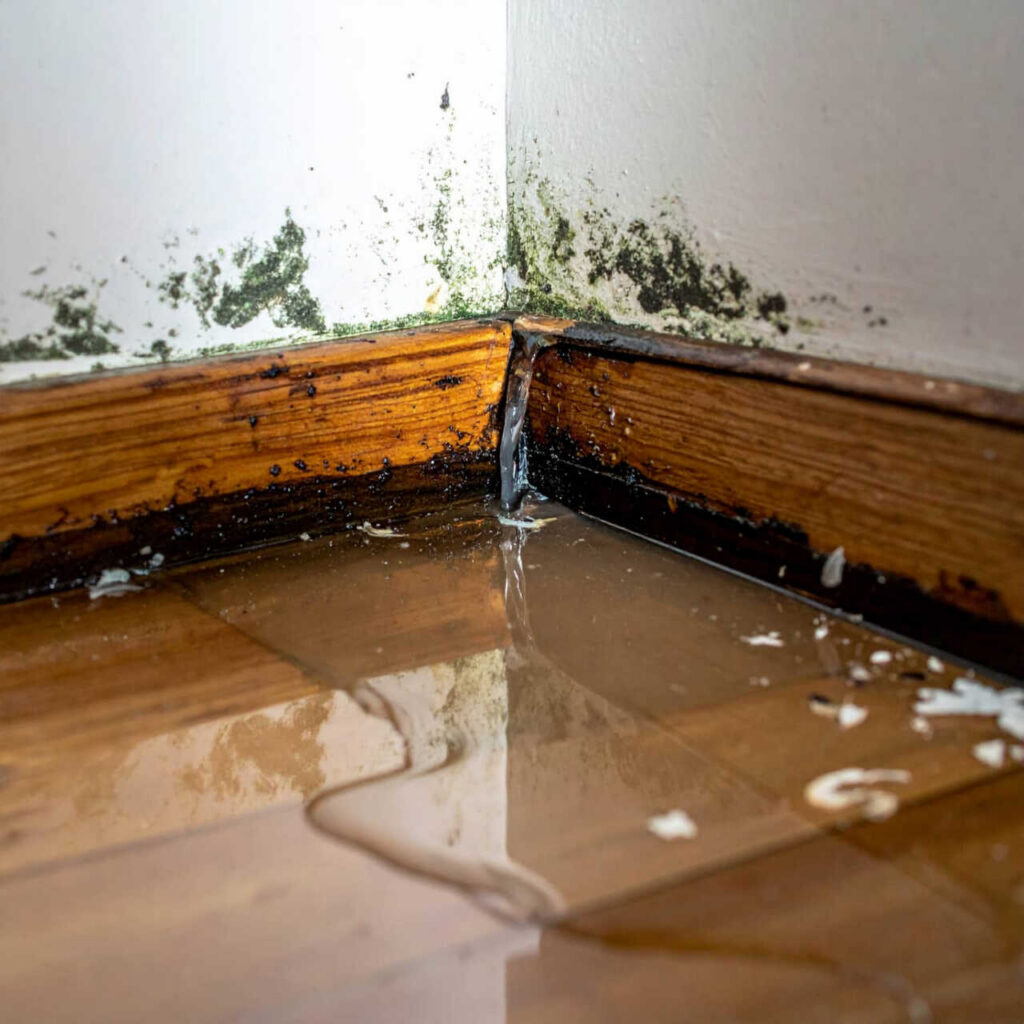
When the storm passes, the clock starts ticking. Storm Damage Mold Experts can help address standing water quickly, dry walls, floors, and insulation with strong airflow and dehumidification, and remove materials that won’t dry in time. You should also inspect seams, low points, and hidden cavities for signs of mold. If the affected area is large or odors and symptoms persist, expert help may be needed because the next problem isn’t always visible.
Key Takeaways
- Remove standing water immediately to stop mold from spreading after storm damage.
- Dry wet walls, floors, and insulation with fans and dehumidifiers within 24 to 48 hours.
- Lower indoor humidity below 60% and keep affected areas cool, dry, and well ventilated.
- Inspect hidden spaces like wall cavities, baseboards, and under flooring for dampness and mold.
- Call mold professionals if damage is widespread, odors persist, or health symptoms appear.
Stop Mold Growth After Storm Damage
After storm damage, you need to act fast because mold can begin growing within 24 to 48 hours if moisture lingers.
You should inspect affected rooms for damp materials, hidden leaks, and trapped moisture in insulation, drywall, and flooring. Keep the area cool, dry, and well ventilated while you monitor for musty odors or visible spotting.
For effective mold prevention, lower indoor humidity control to below 60% with dehumidifiers or HVAC settings. Remove porous items that stayed wet too long, since they can support growth even after surfaces look dry.
Document damage carefully and follow safety precautions if contamination looks widespread.
When you act decisively, you protect your home, your health, and the sense of security your household deserves.
Remove Standing Water Right Away
Eliminate standing water as soon as it’s safe to do so, because pooled moisture gives mold a direct path to spread.
You should shut off power in flooded areas, wear protective gear, and use water extraction techniques that match the surface and depth involved. A wet vac, pump, or squeegee can help you move water out fast, but only if you can work without risking shock or contamination.
Follow your emergency response plans so everyone knows who calls for help, who documents damage, and who handles access.
Act quickly, because the longer water sits, the more likely mold spores will colonize nearby materials.
If the flooding is extensive, bring in trained professionals who can remove water efficiently and keep your team safe.
Dry Walls, Floors, and Insulation
Once the standing water is gone, you need to dry walls, floors, and insulation immediately to prevent moisture from feeding mold growth. Use high-velocity fans, dehumidifiers, and open pathways for airflow so you can restore moisture control fast and safely.
Remove soaked porous materials only when they can’t dry within 24 to 48 hours, because trapped dampness keeps risk high.
- Aim air across wet surfaces, not directly into cavities.
- Keep indoor humidity below 60% during drying.
- Document progress with a moisture meter.
These preventive measures help you protect the structure and stay aligned with the same careful approach other storm recovery crews use.
If you’re working with a team, keep communication clear and consistent so everyone dries the space on the same schedule and avoids delays that let moisture linger.
Check For Hidden Mold In Damaged Areas
Even after visible water is removed and surfaces start to dry, hidden mold can still form inside wall cavities, under flooring, behind baseboards, and in insulation.
You should check these damaged zones with disciplined mold inspection techniques, not guesswork. Look for staining, warped materials, musty odors, and soft or bubbling finishes.
Use a flashlight, moisture meter, and careful probing to identify hidden moisture sources that keep growth active. Focus on joints, seams, and low points where water settles after storms.
If materials feel damp days later, treat them as suspect. Document what you find so you can track changes and keep your household informed.
Staying alert here helps you protect the space you share and supports a safer recovery.
When To Call Mold Experts
If the affected area is larger than about 10 square feet, keeps returning after cleanup, or has compromised drywall, insulation, or subflooring, you should call mold experts promptly. You’re not overreacting; you’re protecting your home and crew.
Professionals can assess hidden moisture, contain spores, and apply mold prevention strategies that reduce recurrence.
- Persistent musty odors signal deeper contamination.
- Visible growth on porous materials usually spreads fast.
- Allergy flare-ups or asthma symptoms raise health risks.
Don’t keep scrubbing if the source isn’t fixed. A qualified team can test, remove damaged materials, and verify drying so you can reenter with confidence.
When you act early, you stay with a community of homeowners who treat storm damage seriously and restore safe conditions.
Frequently Asked Questions
How Can I Tell if Mold Started Before the Storm?
You can tell by checking for existing staining, musty odor, and hidden growth in dry areas before flood marks; use mold identification techniques and a pre storm inspection to compare damage patterns, moisture histories, and materials.
Which Personal Items Should I Throw Away After Flooding?
Throw away porous items that soaked up floodwater—think mattresses, pillows, contaminated clothing, and flooded electronics. Like a sponge that won’t release its stain, they can harbor toxins and mold; you shouldn’t risk reusing them.
Can Storm Damage Mold Affect My HVAC System?
Yes, storm damage mold can infect your HVAC system, spreading spores through ductwork. You should inspect it promptly, schedule HVAC maintenance, and prioritize mold prevention. If you smell mustiness, shut it down and call a professional.
How Long Does Professional Mold Testing Usually Take?
Professional mold testing usually takes 1-3 hours on site, then 2-5 business days for lab results. You’ll see a careful lantern sweeping hidden rooms, measuring mold growth and testing duration with guarded precision.
What Insurance Documents Should I Keep for Mold Claims?
Keep your policy, photos, inspection reports, repair estimates, receipts, communications, and mitigation invoices for mold claims. These documents support mold coverage, streamline the claim process, and help you prove losses, dates, and cleanup costs.
Summary
After a storm, you need to move fast: clear standing water, dry walls and floors, and remove porous materials before mold takes hold. But speed without caution can backfire, so inspect hidden seams, low points, and cavities for concealed growth. You can handle small areas with proper drying, yet large losses, persistent odors, or health symptoms mean you shouldn’t wait. Call mold experts early, because quick action and careful judgment work together.