
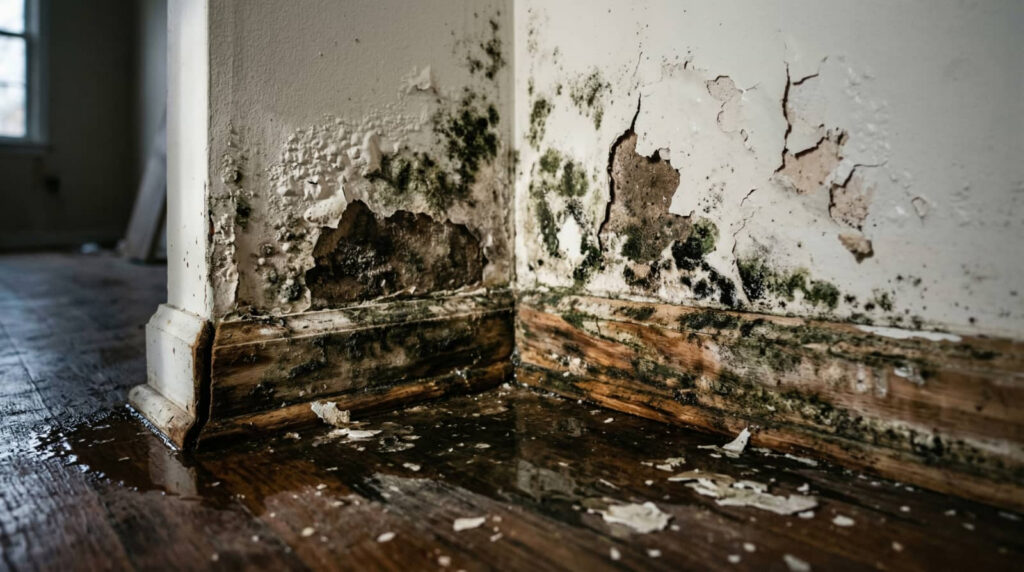
If you’ve had storm damage, mold can start spreading fast once moisture stays trapped in walls, floors, or insulation. You need a careful inspection, fast drying, and controlled removal to limit contamination and protect structural materials. Storm damage mold remediation experts use specialized tools and proven methods to locate hidden growth and restore safe conditions. The key question is how soon you act, because the next steps can change everything.
Key Takeaways
- Storm damage mold experts remove hidden moisture, contaminated materials, and mold before it spreads further.
- Call professionals quickly if water damage lasts over 24 to 48 hours or if musty odors or visible mold appear.
- Good remediation teams use moisture mapping, containment, and post-remediation verification to ensure thorough cleanup.
- Verify licensing, certification, storm-specific experience, insurance, and references before hiring a remediation company.
- Compare written scopes and estimates to find experts who communicate clearly and provide complete, transparent service.
Signs of Storm Damage Mold
After a storm, how can you tell if mold is starting to grow? You may notice musty odors, discoloration on walls, ceilings, or trim, and soft, warped materials.
Check hidden areas where moisture lingers, including under carpets, behind baseboards, and inside closets. Use mold detection techniques such as visual inspection, moisture meters, and humidity readings to confirm conditions that support growth.
If you see recurring spots after cleaning, that’s a strong signal. You might also feel irritated eyes, coughing, or congestion, which can reflect declining indoor air quality.
Act quickly, because early identification helps you protect your home and your people. When you assess damage carefully, you’re taking a smart step toward recovery, and you’re not facing the problem alone.
Why Mold Spreads After Flooding
Floodwater creates ideal conditions for mold because it soaks porous materials, raises indoor humidity, and leaves behind moisture in hidden spaces.
You can expect mold growth to accelerate when drywall, insulation, carpet, and wood stay damp after flooding conditions. Spores already in your home need only moisture, warmth, and organic material to colonize, and storm debris often supplies all three.
Because water can wick behind walls and under flooring, you may not see contamination right away, but it can still spread through the air and across surfaces.
When you understand this process, you can act with confidence. You’re not alone in this; many homes face the same hidden risk, and timely attention helps protect your space and your comfort.
Stop Water Damage Before Mold Grows
Once the storm passes, you should remove standing water and dry affected areas as quickly as possible to keep mold from taking hold.
Shut off moisture sources, open windows if weather allows, and run fans and dehumidifiers to lower indoor humidity below 60%.
Inspect walls, flooring, insulation, and hidden cavities for dampness, then document what you find for your records.
Replace soaked porous materials that can’t dry fast enough.
Prioritize water prevention by sealing leaks, cleaning gutters, and directing runoff away from the structure.
You’re not facing this alone; coordinated action protects your home and everyone in it.
Keep mold awareness high for several days, because a dry surface isn’t always a dry interior.
Fast response reduces risk and supports a healthier recovery.
How to Remediate Storm Damage Mold
First, you’ll assess all moisture sources to confirm where water entered and what materials stayed wet.
Then you’ll remove contaminated materials that can’t be cleaned and dried safely, such as saturated drywall, insulation, or porous finishes.
This approach limits further growth and gives you a controlled path toward full remediation.
Assess Moisture Sources
Before you remove mold, you need to find every moisture source that’s feeding it, because mold will keep returning until the underlying water problem is fixed.
Use moisture detection tools to check walls, floors, ceilings, and hidden cavities after the storm. Look for active leaks, seepage, wet insulation, condensation, and damp materials around windows, roofs, plumbing, and foundations.
Accurate source identification helps you separate old staining from ongoing moisture, so you can target the real cause with confidence. You’re not doing this alone; a careful assessment gives you a clear plan and helps your home feel safe again.
Document readings, trace water paths, and confirm that humidity stays within normal range before you move forward.
Remove Contaminated Materials
Begin by removing materials that can’t be effectively cleaned, because porous items can hold mold deep inside and keep contaminating the area.
You’ll isolate contaminated materials such as soaked drywall, insulation, carpet, and ceiling tiles, then bag and seal them before transport.
Use controlled removal techniques to limit spore spread: cut sections carefully, avoid tearing, and keep debris damp enough to reduce dust, but not wet enough to drip.
Wear gloves, eye protection, and a respirator, and maintain negative pressure if you’re working in a larger affected zone.
As you clear the space, you’re creating a safer path for drying and disinfection.
This step helps your team restore the structure efficiently and gives everyone on site confidence that hidden mold won’t keep growing.
When to Call Mold Remediation Experts
If storm damage has left visible mold growth, a persistent musty odor, or water intrusion that lasted more than 24 to 48 hours, you should call mold remediation experts right away.
You’ll protect your home and your family by acting before contamination spreads. If you’re noticing worsening allergies, respiratory irritation, or other mold health concerns, don’t wait for symptoms to pass.
Professionals can perform mold testing to identify affected areas, determine moisture sources, and verify the extent of contamination. You belong in a space that feels safe and clean, and expert intervention helps restore that condition quickly.
Call immediately after sewage exposure, hidden dampness, or repeated flooding. Fast assessment gives you a clear plan, reduces uncertainty, and keeps you from guessing about what’s happening behind walls, under floors, or inside insulation.
How Mold Removal Prevents Structural Damage
When mold is removed quickly, you stop it from feeding on porous materials like drywall, wood framing, insulation, and subfloors. That protects load-bearing assemblies and keeps decay from spreading, so you can feel confident in your space.
You limit moisture retention in hidden cavities.
You reduce cellulose breakdown in structural members.
You preserve fastener grip and joint stability.
You support mold prevention techniques that stop recurrence.
You protect structural integrity importance in every affected area.
Storm Damage Restoration After Mold Cleanup
After mold cleanup, you need to control any remaining water intrusion by sealing leaks, restoring drainage, and verifying that the source of moisture is fully stopped.
You can then complete structural drying with calibrated air movers, dehumidifiers, and moisture checks until materials return to safe levels
Once the assembly is dry and stable, you can begin rebuild and repairs to restore affected finishes, framing, and other damaged components.
Water Intrusion Control
Once mold is removed, you need to stop the water source that allowed it to grow in the first place, because effective water intrusion control is what prevents the damage from coming back.
You’ll protect your space by sealing entry points and guiding runoff away from vulnerable areas.
- Inspect roof edges, flashing, and joints
- Install water barriers around openings
- Add drainage solutions for pooling water
- Seal cracks in walls and foundations
- Verify gutters and downspouts discharge properly
These steps help you regain control and keep your home safe, stable, and part of a resilient recovery.
When you address intrusion early, you reduce repeat contamination and support a healthier environment for everyone in your household.
Structural Drying Steps
With the water source controlled, you need to dry the structure thoroughly so moisture doesn’t remain trapped in framing, subfloors, or wall cavities.
You begin with a moisture assessment, checking affected materials with calibrated meters and thermal imaging so you know where hidden dampness lingers.
Then you set up drying techniques that match the building’s condition: air movers to increase surface evaporation, dehumidifiers to pull vapor from the air, and controlled ventilation to support balanced airflow.
You’ll monitor readings daily, adjust equipment placement, and keep indoor conditions steady until targets are met.
This method helps you protect your home’s structure and supports a safe, familiar space for everyone who belongs there.
Rebuild And Repairs
Now that the structure is dry and the mold has been removed, you can begin repairs that restore the building’s strength, function, and appearance. You’ll use rebuilding strategies that match the original assembly while improving moisture resistance. Choose repair materials rated for storm exposure, and verify they’re compatible with existing framing, insulation, and finishes.
- Replace compromised drywall, sheathing, and trim
- Refasten structural members to design standards
- Seal joints, penetrations, and seams carefully
- Install mold-resistant underlayment where needed
- Confirm all surfaces are clean, dry, and level
You don’t have to guess; a clear scope keeps your project organized and your space ready for safe reoccupancy.
With precise repairs, you’ll restore comfort, protect the envelope, and help your home feel secure again.
How to Choose the Right Mold Pros
Choosing the right mold remediation professional starts with verifying storm-specific experience, proper licensing, and clear proof of mold assessment and removal protocols.
You should ask about mold inspection techniques, moisture mapping, containment methods, and post-remediation verification. Look for certified remediation professionals who can explain their drying plan, air filtration setup, and disposal procedures in plain terms.
You’ll want documentation for training, insurance, and references from similar storm claims, because that evidence helps you feel confident you’re in the right hands.
Choose a team that communicates promptly, respects your property, and coordinates with inspectors or adjusters.
When you compare detailed estimates and written scopes, you can identify who offers real expertise and who’s just promising quick fixes.
Frequently Asked Questions
How Long Does Mold Remediation Usually Take?
You’ll usually need one to five days, depending on mold growth factors, contamination size, and materials affected. You can expect remediation techniques to include containment, removal, drying, and verification, which keeps you informed and supported.
Can Storm Damage Mold Come Back After Cleanup?
Yes, storm damage mold can come back if you miss moisture, hidden growth, or damaged materials. You’ll reduce mold recurrence factors by fixing leaks, drying thoroughly, and using prevention strategies that keep your space protected.
Is Mold Testing Necessary After a Flood?
Yes—like checking the air after a storm, you should test for mold. You’ll identify mold types with accurate testing methods, confirm hidden growth, and protect your home confidently.
Will Insurance Cover Storm Damage Mold Removal?
Yes, your insurance may cover storm damage mold removal if your insurance policies include sudden water damage; coverage limits and exclusions apply. You’ll want prompt documentation, because quick action strengthens your claim and protects your home.
Can I Stay Home During Mold Remediation?
Yes, you can sometimes stay home during mold remediation if crews isolate the area and you follow safety precautions. Avoid mold exposure, close off affected rooms, and ask your contractor whether your HVAC system stays off.
Conclusion
When storm damage leaves mold behind, you need to act fast. You’ve seen how moisture can hide in walls, spread spores, and weaken materials like a silent thief. By stopping water intrusion, calling qualified remediation experts, and completing full restoration, you protect your home’s structure and your indoor air. Stay alert for warning signs, and you’ll keep small problems from becoming costly repairs. With the right help, you can restore safety and peace of mind.