
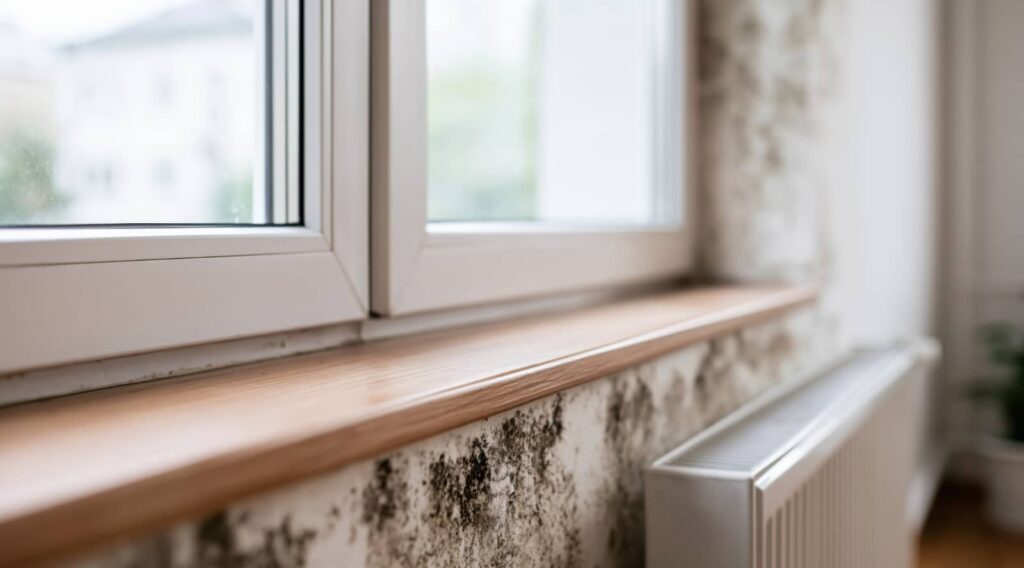
When floodwater slips into your home, it can create a serious mold risk inside walls and other damp materials. Mold Cleanup Urgent After Flooding means acting quickly because mold can begin growing within 24 to 48 hours when moisture and conditions are favorable. If you delay water removal and cleanup, you can increase the risk of contamination, structural damage, and more extensive remediation. The first warning signs aren’t always obvious, which is why hidden moisture needs attention early.
Key Takeaways
- Mold can begin growing within 24 to 48 hours after flooding, so cleanup must start immediately.
- Standing water and trapped moisture in walls, floors, and insulation create ideal conditions for rapid mold spread.
- Delayed cleanup increases contamination, damage, and remediation costs, especially in hidden cavities.
- Porous materials like carpet, drywall, and insulation often cannot be saved if they stay wet too long.
- Quick drying, removal, and disposal help protect indoor air quality and reduce health risks from mold exposure.
What to Do About Mold After Flooding
After flooding, you need to act fast because mold can begin growing within 24 to 48 hours on wet materials.
You should turn off electricity in affected areas, wear gloves and an N95 respirator, and remove standing water with pumps or wet vacuums.
Then you need to discard porous items that stayed saturated, such as carpet, insulation, and drywall.
Clean salvageable surfaces with detergent and water, then dry them completely using fans and dehumidifiers.
Document damage for flood insurance claims before disposal.
Follow mold prevention tips by keeping indoor humidity low, opening windows when conditions allow, and checking hidden spaces behind walls and under flooring.
If the affected area is large or contamination is severe, you should contact certified remediation professionals so your team stays protected and the cleanup meets accepted standards.
Why Mold Grows Fast Indoors
Mold grows quickly indoors because it only needs moisture, moderate temperatures, and a food source such as wood, drywall, dust, or fabric.
Once surfaces stay damp, mold spores can settle, absorb water, and begin colonizing within 24 to 48 hours.
You’ll see faster growth when indoor humidity rises above safe levels, because air holds more moisture and materials dry slowly.
Warm rooms, poor airflow, and hidden dampness behind walls or under flooring create ideal conditions.
You and your household stay safer when you control humidity, ventilate effectively, and dry wet materials immediately.
Fast action limits spore release, reduces contamination, and helps your home return to a clean, stable environment where everyone belongs and can breathe easier.
Hidden Mold Risks From Floodwater
Floodwater can hide mold hazards long after visible puddles are gone, because contaminated water soaks into cavities, insulation, subfloors, and wall assemblies where you can’t see drying progress.
You need to treat these hidden hazards as active risks, not background damage, because moisture retention can persist in structural layers for days or weeks.
- Inspect base plates, framing, and penetrations.
- Check porous materials that trap water.
- Measure moisture in concealed assemblies.
- Remove wet contents that block drying.
When you address these areas quickly, you protect your space and help your household stay in control together.
Even if surfaces look clean, the assembly may still support growth behind finishes. Act on concealed dampness early, and you’ll reduce long-term remediation costs.
Signs You Need Mold Cleanup Now
When must you act? You should move immediately if you see fuzzy growth, discoloration, or water stains that spread after drying.
A persistent musty odor also signals active contamination, even when surfaces look clean. If drywall, baseboards, or carpeting stay damp, you’ve got conditions that support rapid colonization.
Watch for worsening health effects such as coughing, nasal irritation, headaches, or eye discomfort, especially when symptoms improve away from the area.
Use mold identification techniques like visual inspection, moisture checks, and indoor humidity readings to confirm risk.
If multiple rooms show staining or odor, your home’s hidden damage likely extends beyond one surface.
Acting now protects your household, restores safe living conditions, and helps your community recover faster after flooding.
Why DIY Mold Cleanup Fails
Even a careful homeowner can miss the hidden extent of contamination, because mold often spreads behind drywall, under flooring, and inside insulation where surface cleaning won’t reach.
You may feel capable, but mold misconceptions and DIY limitations often undermine that effort. You’re not failing; the problem is technical and hidden.
You can’t verify all contaminated materials without inspection.
Household cleaners don’t penetrate porous building products effectively.
Disturbing colonies can release spores into adjacent rooms.
Moisture-driven growth can persist in concealed cavities.
When you rely on DIY methods, you may leave viable colonies behind and normalize unsafe conditions for your household.
Professional cleanup uses containment, source tracking, and material removal that match the contamination pattern. That approach protects your home and helps you belong to a community of owners who treat cleanup seriously.
Why Fast Water Removal Matters
Fast water removal limits how far moisture can migrate into framing, subfloors, drywall, and insulation, which directly reduces the area that can support mold growth.
You need to act within hours because standing water raises material moisture content fast, and porous assemblies hold it longer than you might expect.
Effective water removal techniques use extraction, airflow, and dehumidification to drop humidity before hidden dampness stabilizes.
When you respond quickly, you protect structural components, shorten drying time, and lower the chance of lingering odor and contamination.
You’re not alone in this process; fast, coordinated action is the standard for informed property owners.
Strong flood prevention methods also matter, but after a flood, speed is the decisive control that limits damage and preserves your building’s recoverability.
What Flood-Damage Mold Remediation Includes
Flood-damage mold remediation starts with a full moisture assessment, containment of affected areas, and removal of contaminated materials that can’t be dried and restored.
You’ll then see targeted mold removal, HEPA filtration, and cleaning of structural surfaces to reduce spore load. Our team documents conditions, verifies drying, and keeps moisture control tight so the work stays precise and defensible.
- Inspect hidden cavities and wet assemblies
- Remove porous materials with irreversible contamination
- Clean, sanitize, and HEPA-vacuum exposed surfaces
- Confirm acceptable moisture levels before release
This process helps you rejoin a safe, stable space with clear standards and fewer surprises.
It’s technical work, but you’re never left guessing about what’s being done or why it matters.
How to Protect Your Home From Mold
To protect your home from mold, you need to dry all affected areas within 24 to 48 hours after flooding.
Remove wet drywall, insulation, carpet, and other porous materials that can’t be fully dried or cleaned.
Keep indoor humidity low and verify that hidden cavities, framing, and flooring are completely dry before you close them back up.
Dry Out Quickly
Get moisture out of the house as quickly as possible, because mold can begin growing within 24 to 48 hours after flooding. You need strong air circulation and disciplined moisture control to keep conditions below mold-supporting levels.
Open windows if outdoor humidity is lower, run fans to move air across damp surfaces, and use dehumidifiers to extract water vapor efficiently. Stay organized and act as a team with your household so no wet zone gets overlooked.
- Measure indoor humidity; target under 60%.
- Run HVAC systems only if they’re safe and dry.
- Ventilate enclosed rooms continuously.
- Check corners, closets, and wall edges daily.
When you dry materials fast, you reduce contamination risk and protect your home’s recovery.
Remove Wet Materials
Once standing water is gone and surfaces are drying, remove any material that stayed wet long enough to support mold. You should treat carpet, padding, drywall, insulation, paper goods, and ceiling tiles as wet materials until you verify they’re dry through the full thickness.
Use removal techniques that limit disturbance: cut drywall in manageable sections, roll up flooring carefully, and place debris in sealed bags or covered containers. Wear gloves, eye protection, and an N95 respirator if dust or spores may spread.
Work from the cleanest areas toward the most damaged so you don’t track contamination. If materials can’t be dried within 24 to 48 hours, discard them. Acting quickly helps protect your home and keeps your household aligned with proven cleanup standards.
Frequently Asked Questions
How Soon After Flooding Should Mold Inspection Begin?
You should begin mold inspection within 24 to 48 hours after flooding, because the mold growth timeline accelerates fast. Maintain high inspection frequency during the first week, and you’ll protect your home and community effectively.
Does Floodwater Always Leave Invisible Mold Behind?
No, floodwater doesn’t always leave invisible mold behind, but you should assume flood damage can trigger hidden mold growth within 24–48 hours. You’ll protect your home and community by inspecting damp materials promptly and thoroughly.
Can Mold Affect HVAC Systems After a Flood?
Yes—mold can spread through your HVAC like smoke through a cathedral, fouling ducts, coils, and filters. You need prompt HVAC maintenance and Mold detection after flooding to protect air quality, equipment, and your community.
Are Children More Vulnerable to Flood-Related Mold Exposure?
Yes, you’ll find children are often more vulnerable because their lungs and immune systems’re still developing, increasing mold symptoms and health effects. You should prioritize rapid cleanup, ventilation, and medical evaluation to protect your household.
What Costs Are Covered by Mold Remediation Insurance?
You’ll usually get insurance coverage for remediation costs tied to sudden, covered water damage, including inspection, containment, removal, and repairs. You may not get coverage for neglected leaks, flooding exclusions, or code upgrades.
Recap
After flooding, you need to act fast because mold can begin growing within 24 to 48 hours in damp materials. If you delay, water can spread into walls, floors, and insulation, creating hidden contamination that’s harder to detect and remove. Quick water extraction, disposal of saturated items, and prompt mold cleanup protect your home, reduce health risks, and limit repair costs. In short, every hour counts—mold won’t wait politely for you.